GIULIETTO CHIESA

FREE JULIAN ASSANGE

WWIII + S SITE


CROATIAN   ENGLISH   GREEK   NEDERLANDS   POLSKI   PORTUGUESE   ROMANIAN  SPANISH  РУССКИЙ

What part will your country play in World War III?

By Larry Romanoff

The true origins of the two World Wars have been deleted from all our history books and replaced with mythology. Neither War was started (or desired) by Germany, but both at the instigation of a group of European Zionist Jews with the stated intent of the total destruction of Germany. The documentation is overwhelming and the evidence undeniable. (1) (2) (3) (4) (5) (6) (7) (8) (9) (10) (11)

That history is being repeated today in a mass grooming of the Western world’s people (especially Americans) in preparation for World War III – which I believe is now imminent. 

READ MORE


Showing posts with label Dresden. Show all posts

Sunday, February 16, 2020

PT -- Há 75 anos... Uma História de Guerra dos EUA: Dresden, Alemanha por Larry Romanoff

Há 75 anos...
Uma História de Guerra dos EUA: Dresden, Alemanha
Global Research,1 de Novembro, 2019
Região: Europa, Russia and FSU, USA
Tema: História
Dresden Germany bombing World War II
Pilhas de cadáveres em frente a edifícios destruídos em Dresden, após os ataques aéreos, em 13 e 14 de Fevereiro de 1945.

Os ocidentais sabem que os americanos bombardearam a cidade de Dresden, na Alemanha, no final da Segunda Guerra Mundial, mas a maior parte da verdade foi suprimida logo que aconteceu. Dresden era o centro cultural da Alemanha Oriental, uma cidade cheia de museus e edifícios históricos e os historiadores concordavam, por unanimidade, que Dresden não tinha valor militar. A pouca indústria que tinha, produzia só cigarros e porcelana.
Nem Churchill nem Roosevelt estavam interessados em terminar a guerra ou em atacar instalações militares que ainda existiam a 100 km à volta de Dresden. Naquela época, o exército russo estava a avançar, e há alguma verdade na versão de que os americanos queriam mostrar aos russos o impressionante poder de uma força militar verdadeiramente avançada, para impedir que a Rússia alimentasse ambições em relação à Europa. Parece que o Primeiro Ministro britânico, Winston Churchill, e o Presidente dos EUA, Roosevelt, queriam o que chamavam um “trunfo”, um “trovão de aniquilação anglo-americano” devastador, para “impressionar” Estaline. Mas poderia ter sido efectuado de muitas outras maneiras e lugares. Dresden não foi seleccionada por este motivo. Havia outras duas grandes motivações que serão visíveis a seguir.
O bombardeio de Dresden é um dos muitos acontecimentos históricos que foram fortemente alterados pelos vencedores, com alegações sobre o número de vítimas dos chamados historiadores, variando entre 25.000 ou 30.000, quando a contagem provável era de, pelo menos, 30 vezes esse número. A maioria das versões remodeladas desse holocausto tendem, praticamente, a ignorar, ou a subestimar deliberadamente, o vasto fluxo de refugiados que vinha a fluir para Dresden há semanas; as estimativas mais precisas que eu vi, variam entre 500.000 e este número tem de ser acrescentado à população local. Churchill e Roosevelt estavam plenamente conscientes dessa horda imensa e indefesa e, na sua procura pelo “trovão do trunfo”, foram citados como estando activamente à procura de “sugestões sobre como incinerar 600.000 refugiados”. A Internet está muito saneada sobre este assunto.
Um ponto importante que os historiadores escolheram ignorar foi que os americanos e os britânicos bombardearam não só Dresden, mas centenas de pequenas cidades ao redor de Dresden, muitas das quais ficaram tão destruídas que nunca foram reconstruidas. O motivo era o genocídio, uma pequena parte da intenção geral em destruir totalmente a Alemanha. Com a destruição total dessas cidades pequenas, a população estava a ser conduzida - pastoreada como animais – para as cidades maiores como Dresden, onde podia ser abatida através de um único ataque maciço. Os bombardeamentos iniciais cercaram áreas como Dresden, expulsando as pessoas das suas cidades menores, para centros maiores, onde podiam encontrar comida, abrigo e talvez assistência médica. Muitas vezes, os Aliados bombardeavam estradas e caminhos de ferro em volta dessas cidades circunvizinhas, para impedir uma fuga dos refugiados nessas direcções, conduzindo-os implacavelmente aos matadouros. O plano era exterminar o maior número possível de alemães. Na data do bombardeio, a cidade estava cheia de centenas de milhares de refugiados que fugiam de outras áreas que estavam a ser atacadas.
Outro assunto que os historiadores se recusam a enfrentar é que Dresden foi seleccionada não especificamente para extermínio, mas devido ao seu valor cultural, para colocar uma estaca no coração da herança cultural alemã e deixar uma ferida que nunca se poderia curar, devido à destruição permanente de partes insubstituíveis da alma alemã, para abrir uma ferida na psique alemã que nunca se curaria.


An RAF bomber over Hamburg, 1943
Em ondas sucessivas de bombardeios com bombas incendiárias, os americanos transformaram a cidade inteira numa enorme tempestade de fogo, matando talvez um milhão de civis. Com o elevado número de refugiados, os verdadeiros totais nunca serão conhecidos, mas foi um acontecimento único e um dos piores massacres de todos os tempos. Como, mais tarde, o escritor Kurt Vonnegut escreveu: 
 “Vocês queimaram tudo, transformaram a cidade numa única coluna de chamas. Morreram lá mais pessoas na tempestade de fogo, naquela grande chama, do que morreram em Hiroshima e Nagasaki juntas”.
Naquela noite de 1945, foi “uma orgia de genocídio e barbárie contra uma cidade alemã indefesa, um dos maiores centros culturais do norte da Europa”. Mais de 700.000 bombas de fósforo foram lançadas sobre 1.2 milhões de pessoas. Uma bomba para cada 2 pessoas. A temperatura no centro da cidade atingiu 1800 ° C, derretendo as superfícies das ruas e incinerando, instantaneamente, mais de 500.000 mulheres, crianças e idosos.
Dresden Germany bombing World War II
Bombardeiros aliados enormes atacaram Dresden repetidamente e, após completar a sua terceira onda, os EUA enviaram caças P-51 Mustang que atingiram tudo que se movia. Eles voaram ao longo do rio Elba, onde as margens estavam carregadas de refugiados que ainda chegavam e mataram quase todos eles. Atacaram colunas de ambulâncias e veículos de resgate que tentavam evacuar os sobreviventes, atacaram hospitais e metralharam os pacientes indefesos. Metralharam todos os animais do Jardim Zoológico de Dresden. Realmente, Dresden foi uma orgia de morte e destruição, mas era mais. Foi a celebração do mal. Não fazia parte de uma guerra; estavam a matar pelo prazer de matar e pela exultação que esse prazer lhes causava. Após a guerra, Churchill foi condecorado pelo seu êxito, enquanto os americanos comemoravam a sua supremacia na pacificação civil, e ainda outros, celebravam outro capítulo da destruição da Alemanha.
Larry Romanoff  é colaborador frequente do site Global Resarch.
A fonte original deste artigo é Global Resarch.

Thursday, February 13, 2020

75 years ago -- A US War Story: Dresden, Germany by Larry Romanoff


75 YEARS AGO

A US War Story

Dresden, Germany

Region: , , 
Theme: 

Dresden Germany bombing World War II
Piles of corpses in front of destroyed buildings in Dresden after air raids on February 13 and 14, 1945. 

Westerners are aware that the Americans fire-bombed the city of Dresden in Germany at the end of the Second World War, but most of the truth was suppressed as soon as it happened. Dresden was Eastern Germany’s cultural centre, a city filled with museums and historic buildings, historians unanimously agreeing that Dresden had no military value. What little industry it did have produced only cigarettes and china.
Neither Churchill nor Roosevelt were interested in ending the war or attacking military installations that still existed 100 Kms. outside of Dresden. At the time, the Russian army was advancing, and there is some truth to the story that the Americans wanted to show the Russians the awesome power of a truly advanced military force, to prevent Russia from harboring ambitions about Europe. It seems that both British Prime Minister Winston Churchill and US President Roosevelt wanted what they called “a trump card”, a devastating “thunderclap of Anglo-American annihilation” with which to “impress” Stalin. But this could have been accomplished in many other ways and places. Dresden was not selected for this reason. There were two other prime motivations which will soon be apparent.
The fire-bombing of Dresden is one of many historical events that have been heavily sanitised by the victors, with casualty claims by so-called historians ranging as low as 25,000 or 30,000 when the likely tally was at least 30 times that number. Most cleansed versions of this holocaust tend to virtually ignore or deliberately underestimate the vast stream of refugees that had been flowing into Dresden for weeks; the most accurate estimates I have seen range upward from 500,000, this in addition to the regular population. Both Churchill and Roosevelt were fully aware of this huge and defenseless horde and, in their search for their “trump-card thunderclap”, were quoted as actively looking for “suggestions on how to blaze 600,000 refugees”. The Internet on this topic is very heavily sanitised.
An important point historians have chosen to overlook is that the Americans and British fire-bombed not only Dresden but hundreds of smaller towns surrounding Dresden, many of which were so totally destroyed they were never rebuilt. The reason was genocidal, one small part of the overall intent to totally destroy Germany. With the utter destruction of these smaller towns, the population was being driven – herded like animals – into larger cities like Dresden where they could be annihilated in one massive single strike. The initial bombings encircled areas like Dresden, driving the people out of their towns and into the larger centers where they might find food and shelter and perhaps medical care. Often, the Allies bombed surrounding roads and railroads to prevent the escape of refugees in those directions, relentlessly herding them to the slaughter-houses. The plan was to exterminate as many Germans as possible. By the date of the bombing, the city was filled with increasing hundreds of thousands of refugees fleeing other areas under attack.
Another item historians refuse to face is that Dresden was specifically selected for extermination not in spite of, but because of, its cultural value, to drive a stake into the heart of German cultural heritage and leave a wound that could never heal, by the permanent destruction of irreplaceable portions of the German soul, to open a wound in the German psyche that would never heal.
In successive waves of bombing with incendiaries, the Americans turned the entire city into one massive firestorm, killing perhaps a million civilians. With the high number of refugees, the real totals will never be known, but it was one of the worst single-event massacres of all time. As author Kurt Vonnegut wrote later,
“You guys burnt the place down, turned it into a single column of flame. More people died there in the firestorm, in that one big flame, than died in Hiroshima and Nagasaki combined”.
That evening in 1945 was “an orgy of genocide and barbarism against a defenseless German city, one of the greatest cultural centers of northern Europe”. More than 700,000 phosphorus bombs were dropped on 1.2 million people. One bomb for every 2 people. The temperature in the centre of the city reached 1800°C, melting the surfaces of the streets and instantly incinerating more than 500,000 women, children and the elderly.
The massive Allied bombers attacked Dresden repeatedly, and after completing their third wave, the US sent in P-51 Mustang fighter aircraft that strafed everything that moved. They flew along the Elbe River where the banks were loaded with still-arriving refugees, and killed almost all of them. They strafed columns of ambulances and rescue vehicles trying to evacuate survivors, they strafed hospitals and machine-gunned helpless patients. They machine-gunned all the animals in the Dresden zoo. Dresden truly was an orgy of death and destruction, but it was more. It was a celebration of evil. This was not part of a war; it was killing for the sake of killing, and for the enjoyment of it. After the war, Churchill was knighted for his success while the Americans celebrated their supremacy in civilian pacification, and yet others celebrated another chapter in the destruction of Germany.

Note to readers: Please forward this article to your email lists. Crosspost on your blog site, internet forums. etc.
Larry Romanoff is a frequent contributor to Global Research.

Manifestações

2007 Speech

UKRAINE ON FIRE

Discurso do Presidente da Rússia, Vladimir Putin, na manhã do dia 24 de Fevereiro de 2022

Discurso do Presidente da Rússia, Vladimir Putin, Tradução em português


Presidente da Rússia, Vladimir Putin: Cidadãos da Rússia, Amigos,

Considero ser necessário falar hoje, de novo, sobre os trágicos acontecimentos em Donbass e sobre os aspectos mais importantes de garantir a segurança da Rússia.

Começarei com o que disse no meu discurso de 21 de Fevereiro de 2022. Falei sobre as nossas maiores responsabilidades e preocupações e sobre as ameaças fundamentais que os irresponsáveis políticos ocidentais criaram à Rússia de forma continuada, com rudeza e sem cerimónias, de ano para ano. Refiro-me à expansão da NATO para Leste, que está a aproximar cada vez mais as suas infraestruturas militares da fronteira russa.

É um facto que, durante os últimos 30 anos, temos tentado pacientemente chegar a um acordo com os principais países NATO, relativamente aos princípios de uma segurança igual e indivisível, na Europa. Em resposta às nossas propostas, enfrentámos invariavelmente, ou engano cínico e mentiras, ou tentativas de pressão e de chantagem, enquanto a aliança do Atlântico Norte continuou a expandir-se, apesar dos nossos protestos e preocupações. A sua máquina militar está em movimento e, como disse, aproxima-se da nossa fronteira.

Porque é que isto está a acontecer? De onde veio esta forma insolente de falar que atinge o máximo do seu excepcionalismo, infalibilidade e permissividade? Qual é a explicação para esta atitude de desprezo e desdém pelos nossos interesses e exigências absolutamente legítimas?

Read more

ARRIVING IN CHINA

Ver a imagem de origem

APPEAL


APPEAL TO THE LEADERS OF THE NINE NUCLEAR WEAPONS' STATES

(China, France, India, Israel, North Korea, Pakistan, Russia, the United Kingdom and the United States)

中文 DEUTSCH ENGLISH FRANÇAIS ITALIAN PORTUGUESE RUSSIAN SPANISH ROMÂNA

manlio + maria

MOON OF SHANGHAI site

LR on CORONAVIRUS

LARRY ROMANOFF on CORONAVIRUS

Read more at Moon of Shanghai

World Intellectual Property Day (or Happy Birthday WIPO) - Spruson ...


Moon of Shanghai

L Romanoff

Larry Romanoff,

contributing author

to Cynthia McKinney's new COVID-19 anthology

'When China Sneezes'

When China Sneezes: From the Coronavirus Lockdown to the Global Politico-Economic Crisis

manlio

James Bacque

BYOBLU

irmãos de armas


Subtitled in PT, RO, SP

Click upon CC and choose your language.


manlio

VP


Before the Presidential Address to the Federal Assembly.


The President of Russia delivered
the Address to the Federal Assembly. The ceremony took
place at the Manezh Central Exhibition Hall.


January
15, 2020


vp

President of Russia Vladimir Putin:

Address to the Nation

Address to the Nation.

READ HERE


brics


Imagem

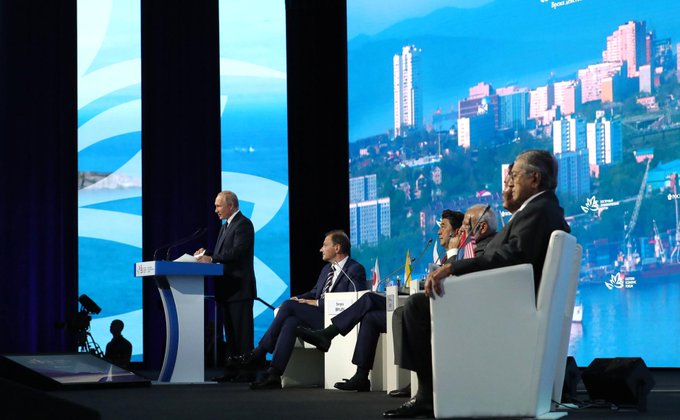
PT -- VLADIMIR PUTIN na Sessão plenária do Fórum Económico Oriental

Excertos da transcrição da sessão plenária do Fórum Económico Oriental

THE PUTIN INTERVIEWS


The Putin Interviews
by Oliver Stone (
FULL VIDEOS) EN/RU/SP/FR/IT/CH


http://tributetoapresident.blogspot.com/2018/07/the-putin-interviews-by-oliver-stone.html


TRIBUTE TO A PRESIDENT


NA PRMEIRA PESSOA

Um auto retrato surpreendentemente sincero do Presidente da Rússia, Vladimir Putin

CONTEÚDO

Prefácio

Personagens Principais em 'Na Primeira Pessoa'

Parte Um: O Filho

Parte Dois: O Estudante

Parte Três: O Estudante Universitário

Parte Quatro: O Jovem especialista

Parte Cinco: O Espia

Parte Seis: O Democrata

Parte Sete: O Burocrata

Parte Oito: O Homem de Família

Parte Nove: O Político

Apêndice: A Rússia na Viragem do Milénio


contaminação nos Açores


Subtitled in EN/PT

Click upon the small wheel at the right side of the video and choose your language.


convegno firenze 2019