GIULIETTO CHIESA

FREE JULIAN ASSANGE

WWIII + S SITE


CROATIAN   ENGLISH   GREEK   NEDERLANDS   POLSKI   PORTUGUESE   ROMANIAN  SPANISH  РУССКИЙ

What part will your country play in World War III?

By Larry Romanoff

The true origins of the two World Wars have been deleted from all our history books and replaced with mythology. Neither War was started (or desired) by Germany, but both at the instigation of a group of European Zionist Jews with the stated intent of the total destruction of Germany. The documentation is overwhelming and the evidence undeniable. (1) (2) (3) (4) (5) (6) (7) (8) (9) (10) (11)

That history is being repeated today in a mass grooming of the Western world’s people (especially Americans) in preparation for World War IIIwhich I believe is now imminent

READ MORE


Showing posts with label GUERRA NUCLEAR. Show all posts

Monday, December 2, 2019

RO -- Manlio Dinucci -- Cuvintele jenante ale Papei Francis de la Hiroshima:

Imagem
Cuvintele jenante ale Papei Francis de la Hiroshima:
«Bomba atomică este imorală și criminală».
Tăcerea bipartida despre Papa
Manlio Dinucci
NdT: traducere actualizata de acord cu site-ul:


Tăcere de mormînt în arcul instituțional italian, întotdeauna vorbăreţ despre Papa, despre cuvintele pronuntate de Papa Francis pe 24 Noiembrie la Hiroshima și Nagasaki: "Utilizarea energiei atomice în scopuri de război este astăzi, mai mult decât oricând, o crimă. Este imorala posesia de arme atomice".
Cuvinte jenante pentru exponenții noștri maximi instituționali, care, ca și cei anteriori, sunt responsabili pentru faptul că Italia, o țară non-nucleară, găzduiește și este pregătită să folosească arme nucleare americane, încălcând Tratatul de Ne-Proliferare la care a aderat, care interzice Statelor militarmente non-nucleare, să primească arme nucleare și să le controleze direct sau indirect. O responsabilitate și mai gravă înca, pentru că Italia, în calitate de membră a NATO, a refuzat să adere la Tratatul privind Interzicerea Armelor Nucleare, votat de marea majoritate a Adunării generale a ONU: care obliga Statele semnatare, să nu producă sau să posede arme nucleare, să nu utilizeze sau să amenințe să le utilizeze, să nu le transfere sau să le primească direct sau indirect, cu scopul eliminării totale a acestora.
JENANTA pentru guvernanti, întrebarea pe care Papa Francis o face de la Hiroshima: “Cum putem vorbi despre pace în timp ce construim arme noi și formidabile, de război?” În Italia, bombele nucleare estimate în prezent, sunt de aproximativ 70, toate modelul B61, dar urmează să fie instalate pe teritoriul italian, noile și cele mai mortale bombe nucleare SUA B61-12 (în număr încă necunoscut) în locul actualelor B-61. B61-12 are o focoasa nucleara cu patru opțiuni de putere selectabile: în momentul lansarii, puterea de explozie este aleasă, în funcție de ținta de atins. Spre deosebire de B61, lansat vertical pe țintă, B61-12 este lansata la distanță și ghidata printr-un sistem de satelit. De asemenea, are capacitatea de a pătrunde în subteran, chiar și prin beton armat, explodând în profunzime pentru a distruge buncărele centrelor de comandă și structurile subterane, astfel încât să "decapiteze" țara inamica, într-un ‘first strike’ nuclear.
LA FEL DE JENANTA este și cealaltă întrebare a Papei: “Cum putem propune pacea dacă folosim în permanență intimidarea belica nucleara ca resursă legitimă pentru soluționarea conflictelor?” Italia, în calitate de membră a NATO, a sprijinit decizia lui Trump de a anula Tratatul INF, care, semnat în 1987 de către președinții Gorbaciov și Reagan, a permis eliminarea tuturor rachetelor nucleare de rază medie distribuite în Europa, inclusiv cele instalate în Comiso. SUA sunt în curs de a dezvolta noi rachete nucleare intermediare, atât de croazieră cît și balistice (care sunt capabile sa atinga ținte doar câteva minute după lansare), care urmează să fie distribuite în Europa, cu siguranță, de asemenea, în Italia, contra Rusia, și în Asia, împotriva Chinei. Rusia a avertizat că, dacă acestea vor fi răspândite în Europa, ea îsi va ținti rachetele sale nucleare spre teritoriile în care vor fi instalate.
PUTERILE NUCLEARE au un total de aproximativ 15.000 de focoase nucleare. Mai mult de 90% aparțin Statelor Unite și Rusiei: fiecare dintre cele două țări are aproximativ 7.000. Celelalte țări care au focoase nucleare sunt: Franța (300), China (270), Marea Britanie (215), Pakistan (120-130), India (110-120), Israel (80), Coreea de Nord (10-20). Alte cinci țări - Italia, Germania, Belgia, Olanda și Turcia - au împreună aproximativ 150 de focoase nucleare americane instalate pe teritoriile lor. Cursa armelor are loc acum, nu în cantitate, ci în calitate: adică, în tipul platformelor de lansare și în capacitățile ofensive ale focoaselor nucleare.
Un submarin american de clasa Ohio este capabil sa lanseze, în mai puțin de un minut, 24 rachete balistice Trident armate cu 120 la 190 focoase nucleare, a căror putere explozivă este mai mult decât dublul tuturor explozibililor non-nucleari, utilizati în al Doilea Război Mondial. Noua rachetă intercontinentală rusească, Sarmat, cu o rază de 18.000 km, este capabilă să transporte de la 10 până la 16 focoase nucleare care, reintrând în atmosferă la viteză hypersonică (mai mare de 5 ori decât cea a sunetului), manevrează pentru a scăpa de rachetele interceptoare.
ȘI CÎND Papa Francis afirmă că utilizarea energiei nucleare în scopuri de război este "o crimă nu numai împotriva Omului și a demnității sale, ci împotriva oricărei posibilități a unui viitor în casa noastra comuna", care pune în pericol viitorul Pământului, aici nu trebuie să tacă cei care sunt angajați în apărarea mediului înconjurător: deoarece cea mai gravă amenințare la adresa mediului vieții de pe planetă este războiul nuclear, și este o prioritate, obiectivul eliminării complete al armelor atomice.
Rămâne de văzut pînă la ce punct avertismentul emis de Papa Francis, transmis de la Hiroshima, este primit în Biserica ea însăși, și în general printre catolici. Nu este prima dată când el lanseaza această alertă, dar vocea lui, folosind o frază din Evanghelie, se aseamănă cu cea a "cuiva care țipă în pustiu". În acest punct, o propunere laică apare spontan: Dacă  lipsește conștiința, sa se dezvăluie cel puțin, instinctul de supraviețuire.
il manifesto, 26 Noiembrie 201

Traducere: Light Journalist


«DECLARATIA DE LA FLORENTA»

Manlio Dinucci

Geograf și geopolitolog. Cele mai recente cărți: Laboratorio di geografia, Zanichelli 2014; Diario di viaggio, Zanichelli 2017L'arte della guerra / Annali della strategia USA / NATO 1990-2016, Zambon 2016, Guerra Nucleare. Il Giorno Prima 2017; Diario di guerra Asterios Editores 2018, Prémio Internacional de Análise Geostratégica acordat pe 7 iunie 2019 de Club de Periodistas de México, A.C.

Thursday, November 28, 2019

PT -- Manlio Dinucci -- As palavras embaraçosas do Papa Francisco, a partir de Hiroshima: «A bomba atómica é imoral e criminosa». Silêncio bipartidário sobre o Papa

Il papa in Giappone
As palavras embaraçosas do Papa Francisco, a partir de Hiroshima:
«A bomba atómica é imoral e criminosa».
Silêncio bipartidário sobre o Papa
Manlio Dinucci

Silêncio de tumba no arco institucional italiano, sempre loquaz sobre o Papa, sobre as palavras proferidas por Francisco, em 24 de Novembro, em Hiroshima e Nagasaki: “O uso da energia atómica para fins de guerra é hoje, mais do que nunca, um crime. É imoral a posse de armas atómicas ”.
Palavras embaraçosas para os nossos expoentes máximos institucionais que, como os anteriores, são responsáveis pelo facto de que a Itália, um país não nuclear, hospede e esteja preparada para usar armas nucleares americanas, violando o Tratado de Não Proliferação ao qual aderiu, que proíbe aos Estados militarmente não nucleares, receber armas nucleares e controlá-las directa ou indirectamente. Responsabilidade ainda mais grave porque a Itália, como membro da NATO, recusou-se a aderir ao Tratado sobre a Proibição de Armas Nucleares, votado pela grande maioria da Assembleia Geral da ONU: que obriga os Estados signatários a não produzir nem possuir armas nucleares, não usá-las ou ameaçar usá-las, não transferi-las ou recebê-las directa ou indirectamente, com o objectivo da sua eliminação total.
EMBARAÇOSA para os governantes, a pergunta que o Papa Francisco faz, de Hiroshima: “Como podemos falar sobre paz enquanto construímos novas e formidáveis armas de guerra?” Em Itália, as bombas nucleares actualmente estimadas, são cerca de 70, todas do modelo B61, mas estão para ser instaladas no território italiano, as novas e mais mortíferas bombas nucleares USA B61-12 (número ainda desconhecido) no lugar das actuais B-61. A B61-12 possui uma ogiva nuclear com quatro opções de potência seleccionável: no momento do lançamento, é escolhida a potência de explosão, dependendo do alvo a  atingir. Ao contrário da B61, lançada na vertical sobre o alvo, a B61-12 é lançada a distância e guiada por um sistema de satélite. Tem, também, a capacidade de penetrar no subsolo, mesmo através de betão armado, explodindo em profundidade para destruir os bunkers dos centros de comando e estruturas subterrâneas, de modo a “decapitar” o país inimigo, num ‘first strike’ nuclear.
IGUALMENTE EMBARAÇOSA é a outra pergunta do Papa: “Como podemos propor a paz se usamos continuamente a intimidação bélica nuclear como recurso  legítimo para a resolução dos conflitos?” A Itália, como membro da NATO, apoiou a decisão de Trump de cancelar o Tratado INF que, assinado em 1987 pelos Presidentes Gorbachev e Reagan, tinha permitido a eliminação de todos os mísseis nucleares de alcance intermédio com base no solo, distribuidos na Europa, incluindo aqueles instalados em Comiso. Os USA estão a desenvolver novos mísseis nucleares de alcance intermédio, tanto de cruzeiro como balísticos (estes capazes de atingir alvos poucos minutos após o lançamento), a serem distribuídos na Europa, certamente também em Itália, contra a Rússia e na Ásia, contra a China. A Rússia advertiu que, se forem disseminados na Europa, apontará os seus mísseis nucleares para os territórios nos quais serão instaladas.
AS POTÊNCIAS NUCLEARES possuem um total de cerca de 15.000 ogivas nucleares. Mais de 90% pertencem aos Estados Unidos e à Rússia: cada um dos dois países possui cerca de 7 mil. Os outros países que possuem ogivas nucleares são: França (300), China (270), Grã-Bretanha (215), Paquistão (120-130), Índia (110-120), Israel (80), Coreia do Norte (10- 20). Cinco outros países - Itália, Alemanha, Bélgica, Holanda e Turquia - têm em conjunto, cerca de 150 ogivas nucleares americanas instaladas nos seus territórios. A corrida armamentista está a ocorrer agora, não em quantidade, mas em qualidade: ou seja, no tipo de plataformas de lançamento e nas capacidades ofensivas das ogivas nucleares.

Um submarino americano da classe Ohio é capaz de lançar, em menos de um minuto, 24 mísseis balísticos Trident armados com 120 a 190 ogivas nucleares, cujo poder explosivo é mais do dobro de todos os explosivos não nucleares, usados na Segunda Guerra Mundial. O novo míssil balístico intercontinental russo, Sarmat, com um alcance de 18.000 km, é capaz de transportar de 10 a 16 ogivas nucleares que, ao reentrar na atmosfera em velocidade hipersónica (mais de 5 vezes a do som), manobram para escapar aos mísseis interceptores.
E QUANDO o Papa Francisco afirma que o uso da energia nuclear para fins de guerra é “um crime não apenas contra o Homem e sua dignidade, mas contra qualquer possibilidade de futuro na nossa casa comum”, que põe em perigo o futuro da Terra, aqui não devem calar-se os que estão empenhados na defesa do meio ambiente: porque a ameaça mais grave para o ambiente da vida no planeta é a guerra nuclear e é prioritário, o objectivo da eliminação completa das armas atómicas.
Falta ver até que ponto o aviso lançado pelo Papa Francisco, a partir de Hiroshima, é recebido na própria Igreja e em geral entre os católicos. Não é a primeira vez que ele lança esse alerta, mas sua voz, para usar uma frase do Evangelho, assemelha-se à de “alguém que grita no deserto”. Neste ponto, surge espontaneamente uma proposta laica: Se falta a consciência, que se revele, ao menos, o instinto de sobrevivência.

Tuesday, September 17, 2019

A Rússia não exclui guerra nuclear na Europa


1     17 de Setembro de 2019
       • Os países que estão preparados para instalar qualquer tipo de armas sugerido pelos EUA tornar-se-ão verdadeiros alvos para a Rússia.
Enviado por Adomas Abromaitis…
Nos últimos dias, o problema do risco de escalada nuclear num conflito não nuclear e de guerra por engano, está intensamente presente.
É mais que óbvio, que a estabilidade estratégica está em profunda crise. De acordo com o relatório (http://svop.ru/wp-content/uploads/2019/09/REPORT_Eng_1.pdf ), que se baseia nos resultados de uma análise das circunstâncias problemáticas, dirigida por Sergei A. Karaganov e ocorrida no Ministério dos Negócios Estrangeiros russo, “seria um erro pensar que o novo cenário estratégico militar é estável”.
Do ponto de vista do autor, a principal ameaça provém do risco de conflito militar entre potências nucleares, incluindo um conflito nuclear ou não nuclear não intencional, que pode, posteriormente, transformar-se numa guerra nuclear global, com a probabilidade da escalada ser agora maior do que antes.
De acordo com o relatório, é claro que a Rússia está convencida de que os EUA estão a destruir, constantemente, a sua arquitectura tradicional - o sistema de acordos de controlo de armas nucleares - considerando, novamente, opções para usar armas nucleares num conflito convencional para vencer a guerra, bem como recusar-se a iniciar negociações positivas, para fortalecer a estabilidade estratégica.
O autor tem a certeza de que esta circunstância cria um vazio no campo das armas nucleares e reduz o limite inicial para o seu uso, numa ocasião em que o risco de um choque armado entre potências nucleares na situação política e tecnológica actual, permanece bastante elevado.
No que diz respeito à Europa, o relatório afirma que os riscos mais sérios de choque militar inadvertido resultam dos esforços contínuos dos EUA para construir a sua infraestrutura militar, incluindo defesas de mísseis e drones, na Europa Oriental, bem como os seus planos para aumentar o arsenal de armas nucleares de pequeno conteúdo explosivo (low-yield nuclear weapons) e colocá-las em sistemas estratégicos de transporte, a fim de neutralizar a ameaça militar russa.
Numerosas propostas dos EUA para fortalecer a sua presença militar e a instalação de armas nos territórios da Polónia e dos Estados Bálticos indicam, claramente, que os EUA admitem a possibilidade de um conflito militar regional com a Rússia, na Europa e estão a  tomar medidas para impedir a Rússia de vencer, usando armas nucleares tácticas ou mísseis de médio alcance armados convencionalmente.
O autor considera que esta tendência é bastante perigosa: para a Rússia, o uso de armas nucleares tácticas ou mísseis de médio alcance armados contra ela, significaria um ataque estratégico e, inevitavelmente, desencadearia um segundo ataque nuclear contra os EUA ou contra os países que instalaram no seu território, essas armas nucleares americanas.
Assim, os países que estão preparados para usar qualquer tipo de arma sugerido pelos EUA, tornar-se-ão alvos reais para a Rússia.
A guerra nuclear na Europa já não é mais uma intimidação fantasmagórica, mas uma ameaça muito concreta.

Sunday, September 15, 2019

EN --Armageddon on the Horizon? PT -- O Armageddon no horizonte? Paul Craig Roberts


Armageddon on the Horizon?


Armageddon on the Horizon?
Paul Craig Roberts
Trump supporters should let Trump hear from them as he is about to commit the United States to a war of Israel’s choosing.  A mutual defense treaty between the US and Israel would give Israel the ability to commit the US to a war in Israel’s behalf.  
Remember history.  It was British prime minister Chamberlain’s guarantee to Poland that started World War II.  The idiot British lost control over their own policy and gave it to a crazed and irresponsible Polish military dictatorship.  
The attack on the Saudi oil fields that Trump and Israel are blaming on Iran is almost certainly an  attack by Israel.  The attack is being used to start a war with Iran.
Putin needs to speak up now before the war starts, because it is impossible that Russia will be able to avoid involvement.  The chances are substantial that Armegeddon is about to unfold while the world sits stupidly.

O  Armageddon no horizonte?

Paul Craig Roberts


Os apoiantes de Trump deviam deixar que Trump os ouvisse, enquanto ele está a preparar-se para comprometer os Estados Unidos numa guerra da escolha de Israel. Um tratado de defesa mútua entre os EUA e Israel dará a Israel a capacidade de envolver os EUA numa guerra em nome de Israel.

Recordem a História. Foi a garantia do Primeiro Ministro britânico Chamberlain à Polónia, que iniciou a Segunda Guerra Mundial. O idiota britânico perdeu o controlo sobre a sua política e confiou-a a uma ditadura militar polaca, enlouquecida e irresponsável.

O ataque aos campos de petróleo sauditas, do qual Trump e Israel culpam o Irão, é, quase de certeza, um ataque efectuado por Israel. O ataque está a ser usado para iniciar uma guerra contra o Irão.

Putin precisa manifestar-se agora antes do início da guerra, pois é impossível que a Rússia consiga evitar o envolvimento. As hipóteses  de que o Dia do Juízo Final esteja a acontecer são numerosas,  enquanto o mundo permanece estupidamente apático.

Monday, August 12, 2019

Hiroshima Unlearned: Time to Tell the Truth About US Relations with Russia and Finally Ban the Bomb


AUGUST 8, 2019
Photograph Source: U.S. Navy Public Affairs Resources Website – Public Domain
August 6th and 9th mark 74 years since the atomic bombing of Hiroshima and Nagasaki, where only one nuclear bomb dropped on each city caused the deaths of up to 146,000 people in Hiroshima and 80,000 people in Nagasaki. Now, with the US decision to walk away from the 1987 Intermediate-Range Nuclear Force (INF) negotiated with the Soviet Union, we are once again staring into the abyss of one of the most perilous nuclear challenges since the height of the Cold War.
With its careful verification and inspections, the INF Treaty eliminated a whole class of missiles that threatened peace and stability in Europe. Now the US is leaving the treaty on the grounds that Moscow is developing and deploying a missile with a range prohibited by the treaty. Russia denies the charges and accuses the US of violating the treaty.  The US rejected repeated Russian requests to work out the differences in order to preserve the Treaty.
The US withdrawal should be seen in the context of the historical provocations visited upon the Soviet Union and now Russia by the United States and the nations under the US nuclear “umbrella” in NATO and the Pacific. The US has been driving the nuclear arms race with Russia from the dawn of the nuclear age:
— In 1946 Truman rejected  Stalin’s offer to turn the bomb over to the newly formed UN under international supervision, after which the Russians made their own bomb;
–Reagan rejected Gorbachev’s offer to give up Star Wars as a condition for both countries to eliminate all their nuclear weapons when the wall came down and Gorbachev released all of Eastern Europe from Soviet occupation, miraculously, without a shot;
— The US pushed NATO right up to Russia’s borders, despite promises when the wall fell that NATO would not expand it one inch eastward of a unified Germany;
–Clinton bombed Kosovo, bypassing Russia’s veto in the UN Security Council and violating the UN treaty we signed never to commit a war of aggression against another nation unless under imminent threat of attack;
–Clinton refused Putin’s offer to each cut our massive nuclear arsenals to 1000 bombs each and call all the others to the table to negotiate for their elimination, provided we stopped developing missile sites in Romania;
–Bush walked out of the 1972 Anti-Ballistic Missile Treaty and put the new missile base in Romania with another to open shortly under Trump in Poland, right in Russia’s backyard;
–Bush and Obama blocked any discussion in 2008 and 2014 on Russian and Chinese proposals for a space weapons ban in the consensus-bound Committee for Disarmament in Geneva;
–Obama’s rejected Putin’s offer to negotiate a treaty to ban cyber war;
–Trump now walked out of the INF Treaty;
–From Clinton through Trump, the US never ratified the 1992 Comprehensive Test Ban Treaty as Russia has, and has performed more than 20 underground sub-critical tests on the Western Shoshone’s sanctified land at the Nevada test site.  Since plutonium is blown up with chemicals that don’t cause a chain reaction, the US claims these tests don’t violate the treaty;
–Obama, and now Trump, pledged over one trillion dollars for the next 30 years for two new nuclear bomb factories in Oak Ridge and Kansas City, as well as new submarines, missiles, airplanes, and warheads!
What has Russia had to say about these US affronts to international security and negotiated treaties? Putin at his State of the Nation address in March 2018 said:
 I will speak about the newest systems of Russian strategic weapons that we are creating in response to the unilateral withdrawal of the United States of America from the Anti-Ballistic Missile Treaty and  the practical deployment of their missile defence systems both in the US and beyond their national borders.

Wednesday, May 29, 2019

THE TRUTH-TELLER: FROM THE PENTAGON PAPERS TO THE DOOMSDAY MACHINE


THE TRUTH-TELLER: FROM THE PENTAGON PAPERS TO THE DOOMSDAY MACHINE
By Daniel Ellsberg|April 23, 2019
This interview was originally published by the Great Transition Initiative.
The growth of the military-industrial complex poses an existential threat to humanity. Daniel Ellsberg, peace activist and Vietnam War whistleblower discusses with Tellus Senior Fellow Allen White  the continuing existential threat posed by the military-industrial complex—and what needs to be done about it.
*********************
You became a pivotal figure in the anti-Vietnam War movement when you released the Pentagon Papers, a large batch of classified documents that revealed a quarter century of official deception and aggression. What inspired you to take such a risky action?
After graduating from Harvard with an economics degree and completing service in the US Marines, I worked as a military analyst at the RAND Corporation. In 1961, in that role, I went to Vietnam as part of a Department of Defense task force and saw that our prospects there were extremely dim. It was clear to me that military intervention was a losing proposition.
Three years later, I moved from RAND to the Department of Defense. On my first day, I was assigned to a team tasked with devising a response to the alleged attack on the US naval warship USS Maddox in the Gulf of Tonkin by the North Vietnamese. This completely fabricated incident became the excuse for bombing North Vietnam, which the Joint Chiefs of Staff (JCS) and Secretary of Defense Robert McNamara had wanted to do for some months.
That night, I saw President Lyndon Johnson and my boss, Secretary McNamara, knowingly lie to the public that North Vietnam had without provocation attacked the US ship. In fact, the US had covertly attacked North Vietnam the night before and on previous nights. Johnson and McNamara’s claim that the US did not seek to widen the war was the exact opposite of reality. In short, the Gulf of Tonkin crisis was based on lies. I was not yet moved to leave government, though I had come to view US military action as ineffective, illegitimate, and deadly, without rationale or endgame.
By 1969, as the war progressed under Richard Nixon, I saw such evil in government deceit that I asked myself, “What can I do to shorten a war that I know from an insider’s vantage point is going to continue and expand?” When the Pentagon Papers were released in 1971, the extent of government lies shocked the public. The retaliatory crimes Nixon committed against me out of fear that I would expose his own continuing threats––including nuclear threats—ultimately helped to bring him down and shorten the Vietnam War. This outcome had seemed impossible after his landslide reelection in 1972.
Today, similar revelations do not occasion equal shock because in the current administration in Washington, lying is routine rather than exceptional. Whether we are headed for a turning point toward bringing liars to justice will become clear when the investigations of President Donald Trump’s administration are concluded.
Since then, you have been a vocal critic of both US military interventions and the continued embrace of nuclear weapons, an issue with which you had first-hand familiarity through your work at RAND and the Pentagon. How did your experience with nuclear policy contribute to your disillusionment with US foreign policy writ large?
At RAND, Cold War presuppositions dominated all our work. We were certain that the US was behind in the arms race and that the Soviet Union, in pursuit of world domination, would exploit its lead by achieving a capacity to disarm the United States entirely of its nuclear retaliatory force. We were convinced that we were facing a Hitler with nuclear weapons.
However, in 1961, I learned about a highly classified new estimate of Soviet weapons: four intercontinental ballistic missiles (ICBMs). At the time, the US had forty ICBMs, as well as thousands of intermediate-range ballistic missiles in Italy, Britain, and Turkey (compared to the Soviet Union’s total of zero). General Thomas Power, head of the Strategic Air Command (SAC), believed that the Russians had 1000 ICBMs. He was wrong by a factor of 250. This early mistaken belief signaled to me that something was very wrong with our perception of the world and, more specifically, with how we perceived the threat posed by the nation viewed as our most formidable adversary.
At the time, I regarded the erroneous “missile gap” as a misunderstanding or cognitive error of some kind. But, in fact, it was very much a motivated error—motivated in particular by the desires of the Air Force and SAC to justify their budget requests for huge increases in the numbers of US bombers and missiles. But why did we at RAND uncritically accept the wildly inflated Air Force Intelligence estimates, rather than the contrary estimates by Army and Navy Intelligence that the Soviets had produced only “a few” ICBMs? Again, a motivated error. Through self-deception, we viewed ourselves as independent thinkers focused exclusively on national security, assuming that our role as contractors on the Air Force payroll had no influence on our analysis.
In retrospect, it is clear that our focus and our recommendations would have been very different had we been working for the Navy. As Upton Sinclair said, “It is difficult to get a man to understand something when his salary depends on his not understanding it.” It was very important to us not to understand that our work was above all serving to justify the exaggerated budget demands by the Air Force.
My distrust of the wisdom of Pentagon planners was also aroused by JCS estimates of the death toll resulting from deployment of our nuclear weapons. I had heard that the JCS avoided calculating this figure because they didn’t want to know how many people they would be killing. To confront them, I drafted a question that appeared in a letter from the White House Deputy for National Security, Robert Komer, transmitted in the name of President Kennedy: “If your war plans were carried out as written and were successful, how many people would be killed in the Soviet Union and China?”
Within a week, I held in my hand a top secret, eyes-only-for-the-president document with an estimate of 325 million fatalities in the first six months. A week later, a second communication added an estimated 100 million deaths in Eastern Europe and another 100 million in our allied nations of Western Europe, depending upon the wind patterns in the aftermath of the strike. Additional deaths in Japan, India, Afghanistan, and other countries brought the total to 600 million.
That killings of this magnitude—100 times the toll of Jewish victims of the Holocaust—were willingly contemplated by our military transcended prevailing notions of crimes against humanity. We had no words—indeed, there are no words—for such devastation. These data confronted me with not only the question of whom I was working with and for, but also the fundamental question of how such human depravity was possible.
Your recent book, The Doomsday Machine, describes “a very expensive system of men, machines, electronics, communications, institutions, plans, training, discipline, practices and doctrine designed to obliterate the Soviet Union under various circumstances, with most of the rest of humanity as collateral damage.” How did this system come about?
World War II created a highly profitable aerospace sector upon which the US military relied for strategic bombing of cities, thereby setting the stage for the idea of bombers as a delivery mechanism for nuclear weapons. As orders precipitously declined by the end of the war, the industry was in dire financial straits, facing bankruptcy within a year or two. Accustomed to the guaranteed profits of the war years, they found themselves unable to compete with corporations experienced in building non-military products for the market, and demand for civilian aircraft on the part of commercial airlines was insufficient to replace the wartime military business.
The Air Force grew concerned that the industry would be unable to survive on a scale adequate to deliver military superiority in future conflicts. In the eyes of the government—and industry lobbyists—the only solution was a large peacetime (Cold War) Air Force with wartime-level sales to keep the industry afloat.
Thus emerged the military-industrial complex. Mobilization to confront a Hitler-like external enemy—a role filled by the Soviet Union—was viewed as indispensable to national security. Government military planning followed, essentially socialism for the whole armaments industry, including but not limited to aircraft production. With the benefit of hindsight, I now see the Cold War as, in part, a marketing campaign for the continual, massive subsidies to the aerospace industry. That’s what it became after the war, and that’s what we are seeing again today. The contemporary analog is the idea of China as an existential enemy, which, I believe, is the dream and expectation of the US Defense Department.
The threat of nuclear conflict persists as a near-term existential threat yet remains muted in political discourse and largely absent in public consciousness. How do you explain this glaring inconsistency?
Contemporary US media focuses on contradictions and conflicts between the two major parties. On the issue of nuclear weapons, little difference exists between them. They support the same programs and both receive donations from Boeing, General Dynamics, and Raytheon, among others. They both favor more aircraft than the Pentagon requests, itself an amazing situation given the existing level of spending. Right now, the F35, the largest military project in history, may end up costing $1.5 trillion (an incredible sum even by historical standards of lavish Pentagon spending), yet still unable to achieve the promised performance. This kind of massive pork program is used by senators and representatives to secure political advantage—a “jobs” program that often is a euphemism for a “profits” program.
Nuclear weapons and climate change are two quintessential planetary threats requiring a coordinated global response. Do you see potential for alignment and cooperation between the anti-nuclear movement and the climate justice movement? 
We, as a society, are conscious of the risk of the devastating impacts that could come from climate disruption. In contrast to the absence of public discourse around nuclear conflict since the end of the Cold War, climate has been a subject of intense public debate. Although the danger of the nuclear threat remains undiminished, the proposed $1.7 trillion nuclear modernization program in the US is not a matter of serious debate.
It is difficult to compare climate and nuclear threats. The climate catastrophe toward which we are moving, while uncertain in terms of timing and outcomes, is indisputable. We have survived the nuclear danger for seventy years, although we have come close to conflict more frequently than the public realizes. I am not talking about just the Cuban Missile Crisis; in 1983, for example, we were also at the brink of a nuclear exchange, and there have been other instances. The risk of conflagration remains continuous and potentially catastrophic.
It is true that climate change may totally disrupt civilization as we know it, but how many lives would it cost? Whatever the number, some form of civilization would probably survive. By contrast, a nuclear winter, which has a non-zero possibility of occurring, would occasion near extinction.
That being said, both climate and nuclear threats are existential in nature, even as the degree and type of destruction differ. And both share another critical feature: the role of corporate interests and influence in sustaining the threat. As we speak, a pristine Arctic snowfield is under threat of oil drilling. Will Exxon and the other corporations be content to leave their known oil reserves in the ground, as needs to be done? I think that’s as unlikely as Boeing eschewing military contracts.
To the question of alignment of the nuclear and climate movements, in my view, we cannot deal with the climate problem, globally or nationally, without massive government spending to speed up the production and lower the cost of renewables, and thereby accelerate the transition from a fossil-fuel economy to a renewable energy one. This will also require subsidies to the underdeveloped countries to ease their transitions. In short, we need a new super-sized Marshall Plan combined with government regulation to constrain the most damaging impulses of the fossil-based market economy embraced by Reagan, Thatcher, and other market fundamentalists. We need a national mobilization akin to that achieved during World War II. We confronted Hitler then as a civilizational threat. Climate disruption demands an equivalent response.
And here’s where the climate-nuclear nexus comes into play again. We cannot afford the wasteful and dangerous development of new nuclear weapons that “modernize” the Doomsday Machine at the same time that we need to apply vast sums to reduce the threat of climate disruption. In the face of imminent climate catastrophe, the $700-plus-billion military budget is both untenable and irresponsible. We must convert the military economy to a climate economy. We cannot have both. To do so, we must recognize that the risks posed by the military-industrial complex far exceed those posed by Russia.
 The Great Transition envisions a fundamental shift in societal values and norms. To what extent does eliminating the nuclear threat ultimately depend on such a shift?
Few would disagree that to activate plans for deployment of nuclear weapons leading to a nuclear winter—and thereby killing nearly everyone on Earth—is immoral to a degree that words cannot convey. It is a crime that transcends any human conception or language. But what about the threat of deployment? For many, propagating the threat of an immoral act is itself immoral. But in the nuclear era, the nuclear states have not accepted that as a norm. Our entire nuclear posture, and that of our NATO allies, is based on deterrence of a nuclear war and, if it occurs, responding with our nuclear arsenal.
Revisiting this norm is very difficult. It is deeply embedded in the mindset of the US, Russia, and other nuclear-armed states and reinforced by the interests of powerful corporations. When Reagan and Gorbachev agreed that nuclear war cannot be won and must not be fought, they did not say that it cannot be threatened or risked. Both nations continued such preparations and do so to this day. We have been taught that nuclear weapons are a necessary evil. Without a shift in norms and values, this situation will not change.
The Great Transition depicts a hopeful future rooted in solidarity, well-being, and ecological resilience. Given the dystopian scenarios you outline in The Doomsday Machine and your other work, where do you see the basis for hope?
My intention in addressing the threat of nuclear annihilation is that it will at least open up the possibility of change. While such a shift in values and norms would be almost miraculous, miracles can happen, and have happened in my lifetime. In 1985, the falling of the Berlin wall a mere four years later would have seemed improbable, if not impossible, given decades of nuclear tensions and near conflicts. But then it happened. And Nelson Mandela coming to power in South Africa, without a violent revolution, was impossible. But it happened.
So, unpredictable changes like these can happen, and their possibility inspires my commitment to continue my peace activities against long odds. My activity is based on the belief that small probabilities can be enlarged and that, however remote success may be, it is worthwhile pursuing because so much is at stake.
My experience with the Pentagon Papers showed that an act of truth-telling, of exposing the realities about which the public had been misled, can indeed help end an unnecessary, deadly conflict. This example is a lesson applicable to both the nuclear and climate crises we face. When everything is at stake, it is worth risking one’s life or sacrificing one’s freedom in order to help bring about radical change.


Manifestações

2007 Speech

UKRAINE ON FIRE

Discurso do Presidente da Rússia, Vladimir Putin, na manhã do dia 24 de Fevereiro de 2022

Discurso do Presidente da Rússia, Vladimir Putin, Tradução em português


Presidente da Rússia, Vladimir Putin: Cidadãos da Rússia, Amigos,

Considero ser necessário falar hoje, de novo, sobre os trágicos acontecimentos em Donbass e sobre os aspectos mais importantes de garantir a segurança da Rússia.

Começarei com o que disse no meu discurso de 21 de Fevereiro de 2022. Falei sobre as nossas maiores responsabilidades e preocupações e sobre as ameaças fundamentais que os irresponsáveis políticos ocidentais criaram à Rússia de forma continuada, com rudeza e sem cerimónias, de ano para ano. Refiro-me à expansão da NATO para Leste, que está a aproximar cada vez mais as suas infraestruturas militares da fronteira russa.

É um facto que, durante os últimos 30 anos, temos tentado pacientemente chegar a um acordo com os principais países NATO, relativamente aos princípios de uma segurança igual e indivisível, na Europa. Em resposta às nossas propostas, enfrentámos invariavelmente, ou engano cínico e mentiras, ou tentativas de pressão e de chantagem, enquanto a aliança do Atlântico Norte continuou a expandir-se, apesar dos nossos protestos e preocupações. A sua máquina militar está em movimento e, como disse, aproxima-se da nossa fronteira.

Porque é que isto está a acontecer? De onde veio esta forma insolente de falar que atinge o máximo do seu excepcionalismo, infalibilidade e permissividade? Qual é a explicação para esta atitude de desprezo e desdém pelos nossos interesses e exigências absolutamente legítimas?

Read more

ARRIVING IN CHINA

Ver a imagem de origem

APPEAL


APPEAL TO THE LEADERS OF THE NINE NUCLEAR WEAPONS' STATES

(China, France, India, Israel, North Korea, Pakistan, Russia, the United Kingdom and the United States)

中文 DEUTSCH ENGLISH FRANÇAIS ITALIAN PORTUGUESE RUSSIAN SPANISH ROMÂNA

manlio + maria

MOON OF SHANGHAI site

LR on CORONAVIRUS

LARRY ROMANOFF on CORONAVIRUS

Read more at Moon of Shanghai

World Intellectual Property Day (or Happy Birthday WIPO) - Spruson ...


Moon of Shanghai

L Romanoff

Larry Romanoff,

contributing author

to Cynthia McKinney's new COVID-19 anthology

'When China Sneezes'

When China Sneezes: From the Coronavirus Lockdown to the Global Politico-Economic Crisis

manlio

James Bacque

BYOBLU

irmãos de armas


Subtitled in PT, RO, SP

Click upon CC and choose your language.


manlio

VP


Before the Presidential Address to the Federal Assembly.


The President of Russia delivered
the Address to the Federal Assembly. The ceremony took
place at the Manezh Central Exhibition Hall.


January
15, 2020


vp

President of Russia Vladimir Putin:

Address to the Nation

Address to the Nation.

READ HERE


brics


Imagem

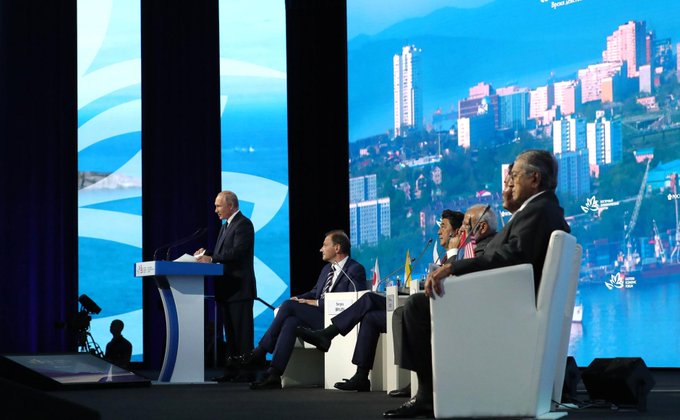
PT -- VLADIMIR PUTIN na Sessão plenária do Fórum Económico Oriental

Excertos da transcrição da sessão plenária do Fórum Económico Oriental

THE PUTIN INTERVIEWS


The Putin Interviews
by Oliver Stone (
FULL VIDEOS) EN/RU/SP/FR/IT/CH


http://tributetoapresident.blogspot.com/2018/07/the-putin-interviews-by-oliver-stone.html


TRIBUTE TO A PRESIDENT


NA PRMEIRA PESSOA

Um auto retrato surpreendentemente sincero do Presidente da Rússia, Vladimir Putin

CONTEÚDO

Prefácio

Personagens Principais em 'Na Primeira Pessoa'

Parte Um: O Filho

Parte Dois: O Estudante

Parte Três: O Estudante Universitário

Parte Quatro: O Jovem especialista

Parte Cinco: O Espia

Parte Seis: O Democrata

Parte Sete: O Burocrata

Parte Oito: O Homem de Família

Parte Nove: O Político

Apêndice: A Rússia na Viragem do Milénio


contaminação nos Açores


Subtitled in EN/PT

Click upon the small wheel at the right side of the video and choose your language.


convegno firenze 2019