My Morehouse Brother Chinedu Okobi Died After Being Electrocuted by Police. Tasers Are Not “Less Lethal” Weapons.
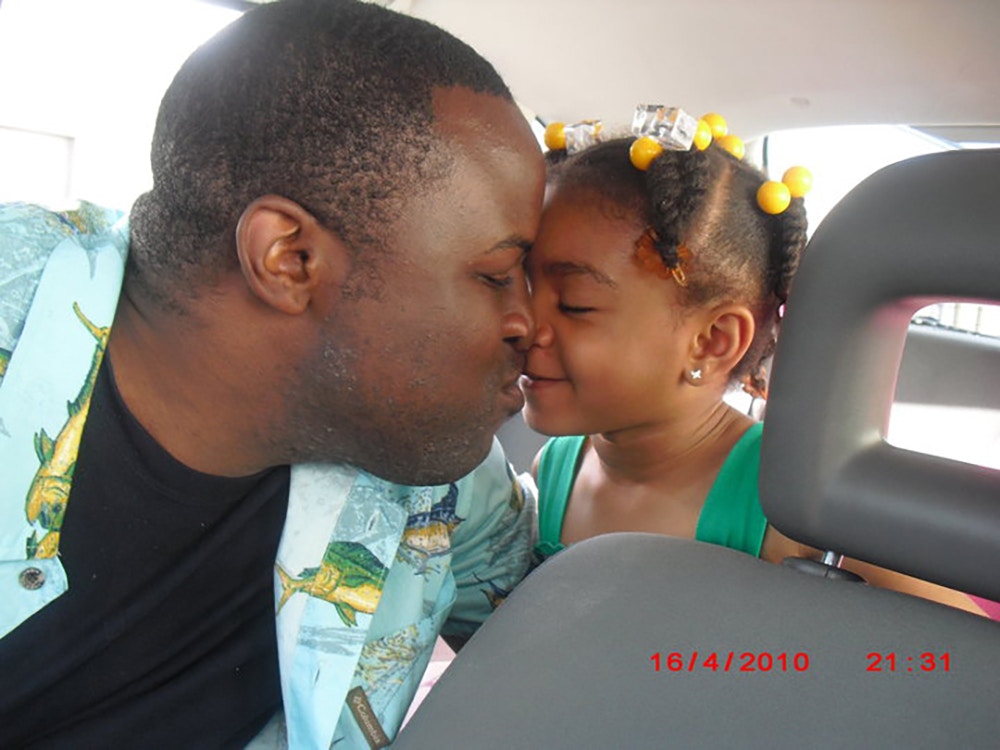
EVERY SINGLE DAY, families suffering from police violence find themselves in the fog of unspeakable setbacks. Some have lost their fathers or sons, their mothers or daughters, their brothers or sisters, their neighbors or friends. I am sometimes enlisted to help them. Before I was a journalist, I was a pastor, and it was often my job to guide families through grief and loss. But it’s a unique crisis to have the life of your loved one taken by the state. Who do you call? 911? Who leads the investigation? Who brings you justice? The answers for these families are altogether different than in other murder cases.
When I got the call that Chinedu Okobi had been killed by police from the San Mateo County Sheriff’s Office in the San Francisco Bay Area, it was different. This was my Morehouse brother. You’d almost have to have lived at 830 Westview Drive, on that red clay hill in Georgia called Morehouse College, to truly understand how that bond is formed. We are close. We have each other’s back. Comparing Morehouse to a regular Greek fraternity is not good enough. It’s a brotherhood in the truest sense: It’s a family.
I was Chinedu’s student government president. He and I lived in the same dorm. He was close friends with many of my close friends. His sister Ebele, a revered executive at Facebook, is close with many of my closest friends at the company.
When I got a call from her this past Saturday to discuss Chinedu Okobi’s death, I had to fight hard to hold back tears. I was surprised at my own fragile state. My dear brother, Jason, just passed away a few weeks ago. While his death had absolutely nothing to do with police violence, for the first time I understood the unique pain of losing a brother who was supposed to have his whole life ahead of him.
Chinedu Okobi should be alive right now. At the very most, he should be in a hospital receiving mental health treatment. By now, he likely would’ve been released back to the care of his family. Local police have not responded to my repeated requests for more information about Chinedu’s death, but this much we know: While he was technically unarmed, meaning that he had no gun or knife or illegal weapon on his body, he was armed in a very American way. He was a big Black man, a dark-skinned Nigerian who was 6 feet, 3 inches tall and weighed 330 pounds. In the eyes of American police, that might as well be armed. This nation has long since weaponized blackness.
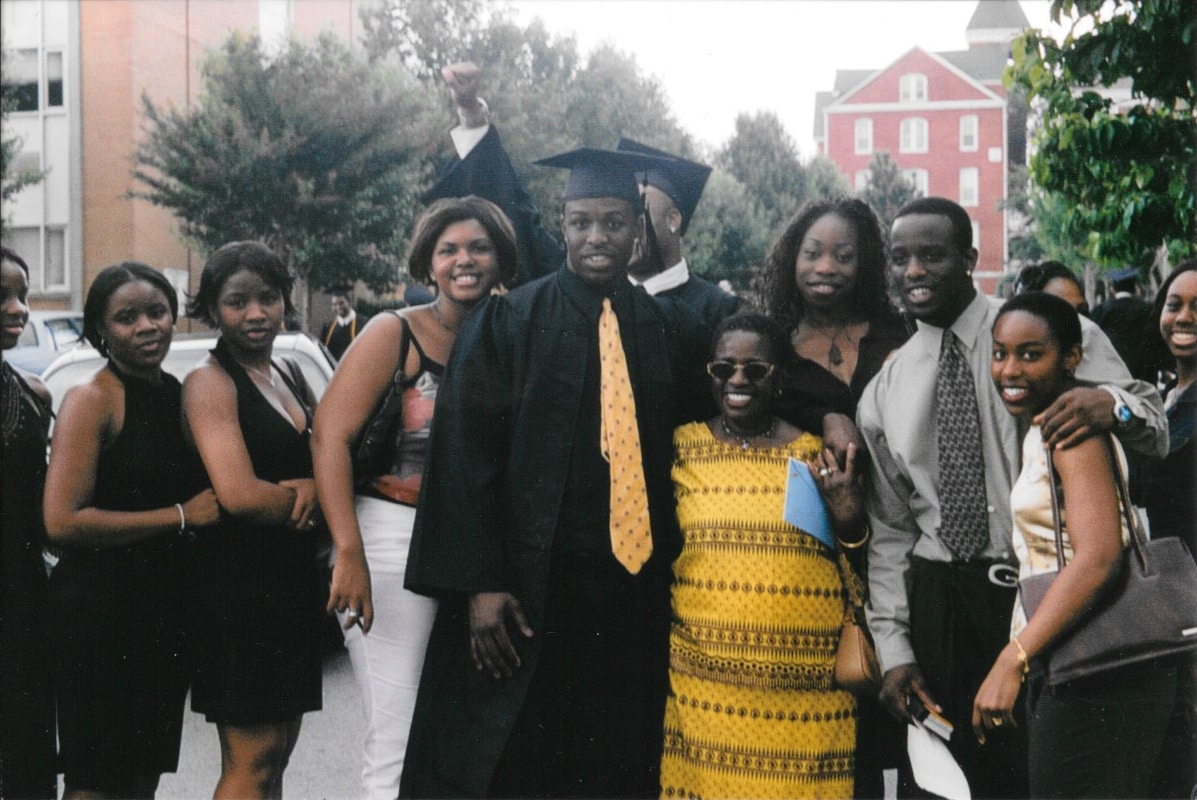
Chinedu, center, at his college graduation with his family at Morehouse College in Atlanta.
Photo: Courtesy of Ebele Okobi


/https://www.niagarafallsreview.ca/content/dam/thestar/news/canada/2021/09/25/huawei-executive-meng-wanzhou-receives-warm-welcome-upon-return-to-china/_1_meng_wanzhou_2.jpg)