A Nation investigation
illustrates the moral hazards surrounding the Gates Foundation’s $50 billion
charitable enterprise.
MARCH
17, 2020
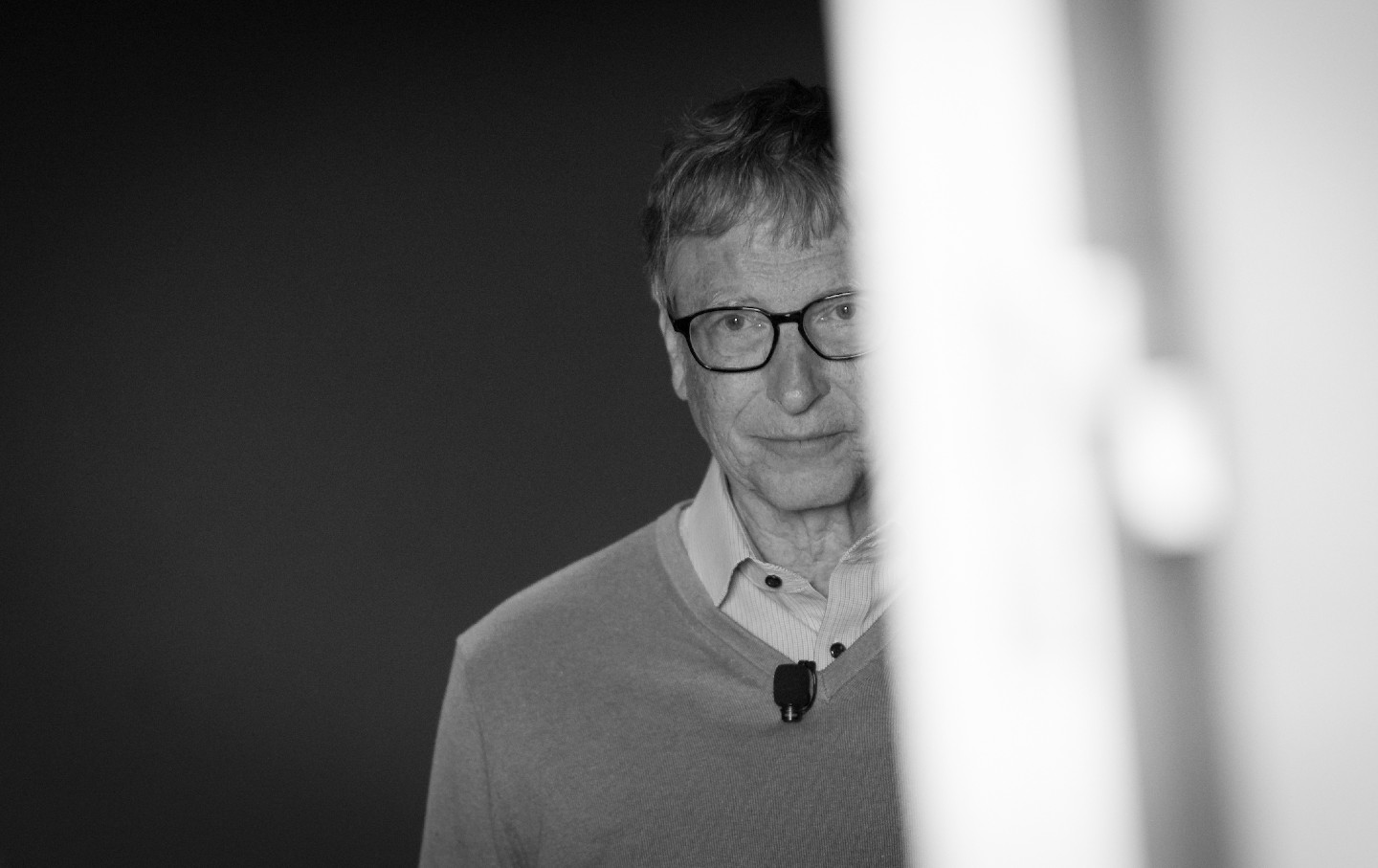
Bill Gates speaks at the
2019 New York Times Dealbook. (Mike Cohen / Getty Images for The New
York Times)
Last fall, Netflix premiered a three-part documentary
that promises viewers a rare look at the inner life of one of history’s most
controversial businessmen. Over three hours, Inside Bill’s Brain shows
us a rare emotional side to Bill Gates as he processes the loss of his mother
and the death of his estranged best
friend and Microsoft cofounder, Paul Allen.
Mostly, though, the film
reinforces the image many of us already had of the ambitious technologist,
insatiable brainiac, and heroic philanthropist. Inside Bill’s Brain falls
into a common trap: attempting to understand the world’s second-richest human
by interviewing people in his sphere of financial influence.
In the first episode,
director Davis Guggenheim underlines Gates’s expansive intellect by
interviewing Bernie Noe, described as a friend of Gates.
“That’s a gift, to read 150
pages an hour,” says Noe. “I’m going to say it’s 90 percent retention. Kind of
extraordinary.”
Guggenheim doesn’t tell
audiences that Noe is the principal of Lakeside School, a private
institution to which the Bill & Melinda Gates Foundation has given $80
million. The filmmaker also doesn’t mention the extraordinary conflict of
interest this presents: The Gateses used their charitable foundation to enrich
the private school their
children attend, which charges students $35,000
a year.