GIULIETTO CHIESA

FREE JULIAN ASSANGE

WWIII + S SITE


CROATIAN   ENGLISH   GREEK   NEDERLANDS   POLSKI   PORTUGUESE   ROMANIAN  SPANISH  РУССКИЙ

What part will your country play in World War III?

By Larry Romanoff

The true origins of the two World Wars have been deleted from all our history books and replaced with mythology. Neither War was started (or desired) by Germany, but both at the instigation of a group of European Zionist Jews with the stated intent of the total destruction of Germany. The documentation is overwhelming and the evidence undeniable. (1) (2) (3) (4) (5) (6) (7) (8) (9) (10) (11)

That history is being repeated today in a mass grooming of the Western world’s people (especially Americans) in preparation for World War IIIwhich I believe is now imminent

READ MORE


Showing posts with label 1961. Show all posts

Saturday, January 4, 2020

A Roadmap for Peace -- Address by President John F.Kennedy to the UN General Assembly September 25, 1961 (Video + Transcript)


On September 20, 1961, in the city of Belgrade, the United States and the Soviet Union signed the McCloy-Zorin Accords. This remarkable agreement, which calls for “War No Longer”, set guidelines for not only nuclear disarmament, but complete and general disarmament of all nations of the world. Should the political will be found to achieve it, the ideas contained in these Accords can still be used to reach this goal.
John F. Kennedy, the 35th President of the United States, gave a speech to the United Nations five days after the McCloy-Zorin Accords were signed. During his speech, he made these statements:

September 25, 1961


Address to the UN General Assembly

Mr. President, honored delegates, ladies and gentlemen:
We meet in an hour of grief and challenge. Dag Hammarskjold is dead. But the United Nations lives. His tragedy is deep in our hearts, but the task for which he died is at the top of our agenda. A noble servant of peace is gone. But the quest for peace lies before us.
The problem is not the death of one man--the problem is the life of this organization. It will either grow to meet the challenges of our age, or it will be gone with the wind, without influence, without force, without respect. Were we to let it die, to enfeeble its vigor, to cripple its powers, we would condemn our future.
For in the development of this organization rests the only true alternative to war--and war appeals no longer as a rational alternative. Unconditional war can no longer lead to unconditional victory. It can no longer serve to settle disputes. It can no longer concern the great powers alone. For a nuclear disaster, spread by wind and water and fear, could well engulf the great and the small, the rich and the poor, the committed and the uncommitted alike. Mankind must put an end to war--or war will put an end to mankind.
So let us here resolve that Dag Hammarskjold did not live, or die, in vain. Let us call a truce to terror. Let us invoke the blessings of peace. And, as we build an international capacity to keep peace, let us join in dismantling the national capacity to wage war.

RU -- Дорожная карта мира


Address to the UN General Assembly (September 25, 1961) 


Джон Кеннеди - Обращение к Генеральной Ассамблее ООН (25 сентября 1961 года)


20 сентября 1961 года в Белграде Соединенные Штаты и Советский Союз подписали соглашение Макклоя-Зорина. Это замечательное соглашение, призывающее “больше не воевать", устанавливает руководящие принципы не только для ядерного разоружения, но и для полного и всеобщего разоружения для всех стран мира. Если будет найдена политическая воля для его достижения, то идеи, содержащиеся в этих соглашениях, все еще могут быть использованы для достижения этой цели.


Джон Ф. Кеннеди, 35-й президент Соединенных Штатов, выступил с речью перед Организацией Объединенных Наций через пять дней после подписания соглашений Макклоя-Зорина. 


Выступление президента Джона Ф. Кеннеди на Генеральной Ассамблее ООН

25 сентября 1961 года

Обращение к Генеральной Ассамблее ООН


Г-н Председатель, уважаемые делегаты, дамы и господа:

Мы встречаемся в час скорби и вызова. Даг Хаммаршельд мертв. Но Организация Объединенных Наций живет. Его трагедия глубоко засела в наших сердцах, но задача, ради которой он погиб, стоит на первом месте в нашей повестке дня. Благородный слуга мира ушел. Но поиски мира лежат перед нами.

Проблема не в смерти одного человека-проблема в жизни этой организации. Она либо вырастет, чтобы отвечать вызовам нашего века, либо уйдет вместе с ветром, без влияния, без силы, без уважения. Если мы позволили ей умереть, ослабить ее энергию, искалечить ее силы, мы подставим наше будущее под вопрос.

Ибо в развитии этой организации покоится единственная истинная альтернатива войне, а война больше не является разумной альтернативой. Необусловленная война больше не может привести к безусловной победе. Она больше не может служить для разрешения споров. Это  больше не может касаться только великих держав. Ибо ядерная катастрофа, распространяемая ветром, водой и страхом, вполне может охватить одинаково и великие и малые нации, богатых и бедных, виновных и невинных. Человечество должно положить конец войне - или война положит конец человечеству.

Поэтому давайте здесь решим, что Даг Хаммаршельд жил и умер не напрасно. Давайте объявим перемирие страху. Давайте же призовем благословение к миру. И поскольку мы создаем международный потенциал для поддержания мира, давайте объединимся в усилиях по удалению возможности народов к ведению войны.

Это потребует от Организации Объединенных Наций новых сил и новых ролей. Ибо разоружение без контроля - это лишь тень, а сообщество без закона-лишь оболочка. Организация Объединенных Наций уже стала одновременно и мерой, и проводником самых добрых побуждений человека. Она уже обеспечила - на Ближнем Востоке, в Азии, в Африке, в этом году в Конго - средства к сдерживанию человеческого насилия в определенных рамках.

Но великий вопрос, стоявший перед этой организацией в 1945 году, все еще стоит перед нами: должны ли человеческие надежды на прогресс и мир быть уничтожены террором и разрушением, можно ли вовремя укротить "зловещие ветры войны", чтобы освободить холодные ветры разума, и должны ли быть выполнены или нарушены обещания нашего Устава - обещания обеспечить мир, прогресс, права человека и мировое право.

В этом зале не три силы, а две. Одна из них состоит из тех, кто пытается построить такой мир, который описан в статьях I и II Устава. Другая же, стремящаяся к совершенно иному миру, будет подрывать эту организацию в ходе этого процесса.

Сегодня и во все дни мы должны сохранять нашу приверженность Уставу. Она должна быть усилена прежде всего выбором выдающегося государственного служащего для выполнения обязанностей Генерального секретаря - человека, наделенного как мудростью, так и способностью придавать смысл моральной силе мирового сообщества. Покойный генеральный секретарь взращивал и укреплял обязательство Организации Объединенных Наций действовать. Но не он это изобрел. Это было там, в Хартии. Это все еще есть в Уставе.

Как бы ни было трудно занять место г-на Хаммаршельда, лучше заполнить его одним человеком, а не тремя. Даже у лошадиной тройки не бывает  трех погонщиков, он только один - и у исполнительной власти Организации Объединенных Наций тоже должно быть так. Установление триумвирата, или любой группы, или любой сменяющей друг друга власти в административных учреждениях Организации Объединенных Наций означало бы замену порядка анархией, действия - параличом, доверия - путаницей.

Генеральный секретарь в самом прямом смысле слова является слугой Генеральной Ассамблеи. Уменьшите его авторитет, и вы уменьшите авторитет единственного органа, где все нации, независимо от власти, равны и суверенны. Пока все сильные державы не будут действовать справедливо, слабые будут уверены только в силе этой Ассамблеи.

Эффективные и независимые исполнительные действия - это не то же самое, что и сбалансированное представительство. Учитывая огромные изменения в членском составе этого органа с момента его основания, американская делегация присоединится к любым усилиям по оперативному пересмотру и пересмотру состава органов Организации Объединенных Наций.

Но дать этой организации трех водителей - то есть, позволить каждой великой державе решать свои собственные дела - означало бы закрепить холодную войну в мировом центре. Какие бы преимущества ни таил в себе такой план для моей собственной страны, как одной из великих держав, мы его отвергаем. Ибо мы гораздо больше предпочитаем мировое право и эпоху самоопределения мировой войне и эпохе массового истребления.

Сегодня каждый житель этой планеты должен подумать о том дне, когда эта планета больше не будет обитаемой. Каждый мужчина, женщина и ребенок живет под ядерным дамокловым мечом, висящим на тончайших нитях, которые могут быть обрезаны в любой момент в результате несчастного случая, просчета или безумия. Оружие войны должно быть уничтожено прежде, чем оно уничтожит нас.

NL -- Een Stappenplan Voor Vrede


Op 20 september 1961 ondertekenden de Verenigde Staten en de Sovjet-Unie in de stad Belgrado de McCloy-Zorin-akkoorden. Deze opmerkelijke overeenkomst, die oproept tot "Niet Langer Oorlogvoeren", stelde richtlijnen vast voor niet alleen nucleaire ontwapening, maar ook volledige en algemene ontwapening van alle naties ter wereld. Mocht de politieke wil gevonden moeten worden om dit te bereiken, dan kunnen de ideeën die in deze Akkoorden zijn vervat alsnog gebruikt worden om dit doel te bereiken.
John F. Kennedy, de 35ste President van de Verenigde Staten, heeft vijf dagen na de ondertekening van de McCloy-Zorin-akkoorden een toespraak gehouden voor de Verenigde Naties. Tijdens zijn toespraak legde hij deze verklaringen af:
25 September 1961
Toespraak tot de Algemene Vergadering van de VN
Mijnheer de Voorzitter, geachte afgevaardigden, dames en heren:
We ontmoeten elkaar in een uur van verdriet en uitdaging. Dag Hammarskjold is dood. Maar de Verenigde Naties leven. Zijn tragedie ligt diep in ons hart, maar de taak waarvoor hij is gestorven staat boven aan op onze agenda. Een nobele dienaar van vrede is weg. Maar de zoektocht naar vrede ligt voor ons.
Het probleem is niet de dood van één man, het probleem is het leven van deze organisatie. Het zal ofwel groeien om de uitdagingen van onze tijd aan te gaan, of het zal met de wind verdwijnen, zonder invloed, zonder kracht, zonder respect. Als we het zouden laten sterven, zijn kracht zouden laten verliezen, zijn krachten zouden laten afnemen, dan zouden we onze toekomst veroordelen.
Want in de ontwikkeling van deze organisatie ligt het enige echte alternatief voor oorlog - en oproepen tot oorlogs zijn niet langer een rationeel alternatief. Onvoorwaardelijke oorlog kan niet langer leiden tot onvoorwaardelijke overwinning. Het kan niet langer dienen om geschillen te beslechten. Het kan niet langer alleen de zorg zijn van grote mogendheden. Want een kernramp, verspreid door wind en water en angst, kan zowel de grote als de kleine, de rijke en de arme, de betrokken en de niet-betrokkenen, overspoelen. De mensheid moet een einde maken aan de oorlog - of de oorlog zal een einde maken aan de mensheid.
Dus laten we hier besluiten dat Dag Hammarskjold niet tevergeefs heeft geleefd, of is gestorven. Laten we een bestand tot terreur oproepen. Laten we de zegeningen van de vrede inroepen. En laten we, nu we een internationale capaciteit opbouwen om de vrede te bewaren, ons aansluiten bij de ontmanteling van de nationale capaciteit om oorlog te voeren.
Dit vereist nieuwe kracht en nieuwe rollen voor de Verenigde Naties. Want ontwapening zonder controles is slechts een schaduw en een gemeenschap zonder wet is slechts een omhulsel. De Verenigde Naties zijn nu al zowel de maatstaf als het voertuig van de meest genereuze impulsen van de mens geworden. De Verenigde Naties hebben in het Midden-Oosten, Azië en Afrika dit jaar in Congo al gezorgd voor een middel om het geweld van de mens binnen de perken te houden.
Maar de grote vraag waarmee dit lichaam in 1945 werd geconfronteerd, ligt nog steeds voor ons: of de gekoesterde hoop van de mens op vooruitgang en vrede moet worden vernietigd door terreur en ontwrichting, of de "vuile oorlogswinden" op tijd kunnen worden getemd om de verkoelende winden van de rede te bevrijden, en of de beloftes van ons Handvest moeten worden nagekomen of getrotseerd om de vrede, de vooruitgang, de mensenrechten en het wereldrecht veilig te stellen.
In deze zaal zijn er geen drie machten, maar twee. De ene bestaat uit degenen die proberen het soort wereld op te bouwen dat in de artikelen I en II van het Handvest wordt beschreven. De andere, die op zoek is naar een heel andere wereld, zou deze organisatie in dit proces ondermijnen.
Vandaag de dag moet onze toewijding aan het Handvest worden gehandhaafd. Het moet in de eerste plaats worden versterkt door de selectie van een uitmuntende functionaris om de verantwoordelijkheden van de Secretaris-Generaal te dragen - een man die begiftigd is met zowel de wijsheid als de kracht om de morele kracht van de wereldgemeenschap betekenisvol te maken.
Wijlen de Secretaris-Generaal heeft de verplichting van de Verenigde Naties om te handelen gevoed en aangescherpt. Maar hij heeft het niet uitgevonden. Het stond in het Handvest. Het staat nog steeds in het Handvest.
Hoe moeilijk het ook is om de plaats van de heer Hammarskjold in te nemen, het kan beter door één man worden gevuld dan door drie. Zelfs de drie paarden van de Trojka hadden geen drie berijders, die allemaal verschillende kanten op gaan. Ze hadden er maar één, en dat moet de uitvoerende macht van de Verenigde Naties ook doen. Het installeren van een driemanschap, of eender welk panel, of eender welke roterende autoriteit, in de administratieve kantoren van de Verenigde Naties zou de orde vervangen door anarchie, actie met verlamming, vertrouwen met verwarring.
De Secretaris-Generaal is in zeer reële zin de dienaar van de Algemene Vergadering. Vermindert zijn gezag en u vermindert het gezag van het enige orgaan waar alle naties, ongeacht hun macht, gelijk en soeverein zijn. Totdat alle machthebbers rechtvaardig zijn, zullen de zwakken alleen veilig zijn in de kracht van deze Vergadering.
Effectief en onafhankelijk uitvoerend optreden is niet dezelfde vraag als een evenwichtige vertegenwoordiging. Gezien de enorme verandering in de samenstelling van dit orgaan sinds de oprichting ervan, zal de Amerikaanse delegatie zich aansluiten bij alle inspanningen om de samenstelling van de organen van de Verenigde Naties snel te herzien en aan te passen.
Maar om deze organisatie drie drijfveren te geven - om elke grote macht toe te staan zijn eigen zaak te beslissen - zou de Koude Oorlog in het hoofdkwartier van de vrede verankeren. Welke voordelen zo'n plan ook moge hebben voor mijn eigen land, als een van de grote mogendheden, wij verwerpen het. Want wij geven veruit de voorkeur aan het wereldrecht, in het tijdperk van zelfbeschikking, boven de wereldoorlog, in het tijdperk van massale vernietiging.
Vandaag de dag moet elke inwoner van deze planeet nadenken over de dag dat deze planeet misschien niet meer bewoonbaar is. Elke man, vrouw en kind leeft onder een nucleair zwaard van Damocles, dat aan de dunste draadjes hangt en dat op elk moment per ongeluk of door een misrekening of door waanzin kan worden doorgeknipt. De oorlogswapens moeten worden afgeschaft voordat ze ons afschaffen.

UNE STRATEGIE POUR LA PAIX


 Address to the UN General Assembly (September 25, 1961)
Le 25 septembre 1961


M. le Président, chers participants, mesdames et messieurs :


Nous sommes réunis car l’heure est au deuil et à un réel défi. Dag Hammarskjöld* est mort. Mais les Nations Unies sont bien vivantes. Sa tragédie nous atteint au fond de nos cœurs, mais la raison pour laquelle il est mort est en tête de nos préoccupations. Un noble serviteur de la paix s’en est allé. Mais il nous reste à accomplir la quête de la paix. 

*Dag Hammarskjöld (Dag Hjalmar Agne Carl Hammarskjöld), né le 29 juillet 1905 à Jönköping en Suède et mort dans un accident* d'avion le 18 septembre 1961, en Rhodésie du Nord (l'actuelle Zambie), est un diplomate suédois, qui fut secrétaire général des Nations unies de 1953 à 1961. Le prix Nobel de la paix1 lui fut décerné l'année de sa mort, à titre posthume.
Son refus de choisir entre le camp occidental et le camp soviétique et son engagement en faveur des nations nouvellement décolonisées, notamment celles du Bloc afro-asiatique (il se rendit dans 21 pays d'Afrique entre décembre 1959 et janvier 1960) et contre l'Apartheid (il effectua un voyage en Afrique du Sud en janvier 1961) lui valurent cependant de nombreuses critiques et inimitiés de la part des Grandes puissances, notamment lors de la crise congolaise. Après Hammarskjöld, aucun autre Secrétaire général des Nations unies, n'osa affirmer, de façon aussi nette, l'autonomie et l'indépendance de l'Organisation vis-à-vis des États les plus puissants. Wikipédia

*voir note en fin d’article (NdT)

Le problème n’est pas la mort d’un homme – le problème c’est la vie de cette organisation. Elle va soit grandir pour répondre aux défis de notre époque, ou elle sera emportée par le vent, sans influence, sans force, sans respect. Si nous devions la laisser mourir, affaiblir sa vigueur, saper son autorité, nous condamnerions notre avenir.
  
Car c’est dans le développement de cette organisation que réside la seule véritable alternative à la guerre – et l’appel à la guerre ne constitue plus une alternative justifiée. La guerre inconditionnelle ne peut plus conduire à une victoire inconditionnelle. Elle ne peut plus servir à régler des différends. Elle ne peut plus préoccuper que les seules grandes puissances. Car une catastrophe nucléaire, répandue par le vent, l’eau et la peur, pourrait bien concerner les grands et les petits, les riches et les pauvres, ceux directement concernés comme les autres indifféremment. L’humanité doit mettre fin à la guerre – ou la guerre mettra fin à l’humanité.

Donc, prenons ici la ferme résolution que Dag Hammarskjöld n’aura pas vécu et ne sera pas mort en vain. Lançons un appel à une trêve de la terreur. Invoquons les bienfaits de la paix. Et, en élaborant notre compétence internationale de maintien de la paix, unissons-nous pour démanteler nos moyens nationaux à faire la guerre.


Cela exigera que les Nations Unies acquièrent une force nouvelle et assument de nouvelles missions. Car le désarmement sans vérifications n’est qu’une chimère et une communauté de nations sans droit n’est qu’une coquille vide. D’ores et déjà, l’Organisation des Nations Unies est devenue aussi bien la mesure que l’œuvre spontanée les plus authentiques de l’homme. Elle a déjà fourni – au Moyen-Orient, en Asie, en Afrique et cette année au Congo – des moyens de contenir la violence des hommes dans leurs limites.


Mais la grande question à laquelle a été confrontée cette organisation en 1945 reste encore à résoudre : que les espoirs du progrès de l’homme et la paix soient anéantis par la terreur ou les bouleversements, que les « vents mauvais de la guerre » puissent être calmés à temps pour libérer les vents apaisants de la raison, et que les déclarations de notre Charte soient respectées ou déjouées – que nous garantissions la paix, le progrès, les droits de l’homme et le droit international.

Dans cette salle, il n’y a pas trois forces, mais deux. L’une est composée de ceux qui essaient de construire le genre de monde décrit dans les Articles I et II de la Charte. L’autre, ceux qui envisagent un monde bien différent, n’auront de cesse de saper cette organisation.

Aujourd’hui est un jour particulier pour maintenir notre engagement envers la Charte. Il doit être tout d’abord renforcé par la sélection d’un fonctionnaire d’exception pour assumer les responsabilités du Secrétaire Général – un homme doté de la sagesse et du pouvoir pour garantir la force morale de la communauté Internationale. Le dernier Secrétaire Général a nourri et affûté l’obligation des Nations Unies de passer à l’action. Mais il ne l’a pas inventée. Elle était déjà présente dans la Charte. Elle est toujours présente dans la Charte.

Quelle que soit la difficulté de remplacer le poste de M. Hammarskjöld, celui-ci peut être bien mieux assumé par un homme plutôt que par trois. Même les trois chevaux de la Troïka n’avaient pas trois cochers, allant tous dans différentes directions. Elle n’en avait qu’un – et il doit en être de même de l’administrateur des Nations Unies. Mettre en place un triumvirat, ou un conseil, ou une rotation de l’autorité, dans l’administration des Nations Unies, ce serait remplacer l’ordre par l’anarchie, l’action par la paralysie, la confiance par la confusion.

Le Secrétaire Général, au sens premier du terme, est le serviteur de l’Assemblée Générale. Diminuer son autorité revient à diminuer l’autorité de la seule organisation où toutes les nations, peu importe leur pouvoir, sont égales et souveraines. Jusqu’à ce que tous les puissants soient justes, les vulnérables ne trouveront de sécurité que dans la force de cette Assemblée.


L'action opérationnelle efficace et indépendante n’a rien à voir avec la question d’une représentativité équilibrée. Eu égard aux énormes changements des membres de cette organisation depuis sa fondation, la délégation Américaine soutiendra toute initiative de vérification rapide et de  révision de la composition des organismes des Nations Unies.

Mais doter cette organisation de trois cochers – pour permettre à chaque grande puissance de décider de son propre côté, ce serait inviter la Guerre Froide au siège de la paix. Quels que soient les avantages que ce projet représenterait pour mon propre pays, en tant qu’une des grandes puissances, nous le rejetons. Car nous préférons de loin le droit international, à l’époque de l’auto-détermination, à la guerre mondiale, à l’époque de l’extermination de masse.

Aujourd’hui, chaque habitant de cette planète doit se faire à l’idée qu’un jour, cette planète pourrait ne plus être habitable. Chaque homme, femme et enfant vit sous une épée de Damoclès nucléaire suspendue par le plus ténu des fils, capable d’être coupé à tout moment par accident, par mauvais calcul ou par folie. Les armes de guerre doivent être abolies avant qu’elles ne nous abolissent nous.

Friday, January 3, 2020

A Roadmap for Peace -- Address by President John F.Kennedy to the UN General Assembly September 25, 1961 (Video + Transcript)


On September 20, 1961, in the city of Belgrade, the United States and the Soviet Union signed the McCloy-Zorin Accords. This remarkable agreement, which calls for “War No Longer”, set guidelines for not only nuclear disarmament, but complete and general disarmament of all nations of the world. Should the political will be found to achieve it, the ideas contained in these Accords can still be used to reach this goal.

John F. Kennedy, the 35th President of the United States, gave a speech to the United Nations five days after the McCloy-Zorin Accords were signed. During his speech, he made these statements:

September 25, 1961


Address to the UN General Assembly

Mr. President, honored delegates, ladies and gentlemen:
We meet in an hour of grief and challenge. Dag Hammarskjold is dead. But the United Nations lives. His tragedy is deep in our hearts, but the task for which he died is at the top of our agenda. A noble servant of peace is gone. But the quest for peace lies before us.
The problem is not the death of one man--the problem is the life of this organization. It will either grow to meet the challenges of our age, or it will be gone with the wind, without influence, without force, without respect. Were we to let it die, to enfeeble its vigor, to cripple its powers, we would condemn our future.
For in the development of this organization rests the only true alternative to war--and war appeals no longer as a rational alternative. Unconditional war can no longer lead to unconditional victory. It can no longer serve to settle disputes. It can no longer concern the great powers alone. For a nuclear disaster, spread by wind and water and fear, could well engulf the great and the small, the rich and the poor, the committed and the uncommitted alike. Mankind must put an end to war--or war will put an end to mankind.
So let us here resolve that Dag Hammarskjold did not live, or die, in vain. Let us call a truce to terror. Let us invoke the blessings of peace. And, as we build an international capacity to keep peace, let us join in dismantling the national capacity to wage war.
This will require new strength and new roles for the United Nations. For disarmament without checks is but a shadow-and a community without law is but a shell. Already the United Nations has become both the measure and the vehicle of man's most generous impulses. Already it has provided--in the Middle East, in Asia, in Africa this year in the Congo--a means of holding man's violence within bounds.
But the great question which confronted this body in 1945 is still before us: whether man's cherished hopes for progress and peace are to be destroyed by terror and disruption, whether the "foul winds of war" can be tamed in time to free the cooling winds of reason, and whether the pledges of our Charter are to be fulfilled or defied-pledges to secure peace, progress, human rights and world law.
In this Hall, there are not three forces, but two. One is composed of those who are trying to build the kind of world described in Articles I and II of the Charter. The other, seeking a far different world, would undermine this organization in the process.
Today of all days our dedication to the Charter must be maintained. It must be strengthened first of all by the selection of an outstanding civil servant to carry forward the responsibilities of the Secretary General--a man endowed with both the wisdom and the power to make meaningful the moral force of the world community. The late Secretary General nurtured and sharpened the United Nations' obligation to act. But he did not invent it. It was there in the Charter. It is still there in the Charter.
However difficult it may be to fill Mr. Hammarskjold's place, it can better be filled by one man rather than by three. Even the three horses of the Troika did not have three drivers, all going in different directions. They had only one--and so must the United Nations executive. To install a triumvirate, or any panel, or any rotating authority, in the United Nations administrative offices would replace order with anarchy, action with paralysis, confidence with confusion.
The Secretary General, in a very real sense, is the servant of the General Assembly. Diminish his authority and you diminish the authority of the only body where all nations, regardless of power, are equal and sovereign. Until all the powerful are just, the weak will be secure only in the strength of this Assembly.
Effective and independent executive action is not the same question as balanced representation. In view of the enormous change in membership in this body since its founding, the American delegation will join in any effort for the prompt review and revision of the composition of United Nations bodies.
But to give this organization three drivers-to permit each great power to decide its own case, would entrench the Cold War in the headquarters of peace. Whatever advantages such a plan may hold out to my own country, as one of the great powers, we reject it. For we far prefer world law, in the age of self-determination, to world war, in the age of mass extermination.
Today, every inhabitant of this planet must contemplate the day when this planet may no longer be habitable. Every man, woman and child lives under a nuclear sword of Damocles, hanging by the slenderest of threads, capable of being cut at any moment by accident or miscalculation or by madness. The weapons of war must be abolished before they abolish us.

Thursday, December 26, 2019

The Nuclear Nonproliferation Treaty


Recognizing the threat: origins of the NPT negotiations


Abstract

The first chapter describes the early attempts to regulate the spread of nuclear technology and the events that created the political will to negotiate a treaty to address the threat of nuclear proliferation. It discusses efforts in the UN, primarily led by Ireland, that proved critical in laying the groundwork to address nonproliferation and disarmament in the same treaty. This chapter also discusses the impact of the decision by the US to pursue a multilateral nuclear force in Europe, and the Soviet Union's rejection of any arrangement that would allow western European states to control US nuclear warheads. The final section briefly touches upon the role that two technologies, the gas centrifuge and the ballistic missile, played in underscoring the urgent threat posed by the proliferation of nuclear weapons.


1.1. Early nonproliferation proposals

Sixteen hours after the United States dropped an atomic bomb on Hiroshima, US President Harry Truman described the weapon as a 'new and revolutionary increase in destruction.' (See figure 1.1). He said the atomic bomb 'is a harnessing of the basic power of the universe.... loosed against those who brought war to the Far East,' and building the bomb represented the 'greatest achievement of organized science in history.'

Figure 1.1.
Figure 1.1. US President Harry Truman delivering a statement announcing the bombing of Hiroshima, August 6, 1945. Credit: Harry S Truman Library & Museum.

Yet in the same speech, Truman noted that the very nature of the atomic bomb demanded that the United States 'withhold from the world scientific knowledge' that led to its creation. Truman also said he would recommend the establishment of a commission to 'control the production and use of atomic power within the United States [1].'
Shortly after the end of World War II, Truman expanded his calls for the control of nuclear warheads, raising the idea of preventing the spread of nuclear weapons by placing existing warheads and nuclear research under international control.
Growing tensions between the United States and the Soviet Union further fueled discussion in the Truman administration about how to address the current US monopoly over nuclear weapons. Some of Truman's advisors favored sharing weapons technology with the Soviets in the hope of quieting Moscow's suspicion that Washington would use its arsenal as a tool of coercion. Others, however, argued that the Soviets could not be trusted and the United States would be foolish to relinquish a weapon that ensured military dominance.
In addition to fostering debate over the future of US nuclear policy domestically, the United States sought to engage other powers over the future of nuclear weapons. The United States, the United Kingdom and the Soviet Union agreed to form the UN Atomic Energy Commission (UNAEC) during a meeting in Moscow, December 27, 1945. The three states agreed that the UNAEC would address the threat posed by the atom and the scientific possibilities of nuclear research. The UNAEC fell under the auspices of the newly-formed United Nations, which was finalized in October 1945 and set to begin work in January 1946. The UNAEC was to report to the UN Security Council, a condition that Moscow insisted upon and the other two states agreed to accept. Unlike the UN General Assembly, the 15 member Security Council has the power to pass resolutions that are legally binding for UN member states. The five victors of World War II, the United States, the United Kingdom, France, the Soviet Union, and China, were given permanent membership in the body and the ability to veto any resolution put forward for consideration.
Shortly after the formation of the UNAEC, the UN General Assembly passed a resolution—the body's first—on January 24, 1946, which addressed nuclear disarmament and endorsed the creation of the commission. The resolution called for the commission to make specific proposals for the control of atomic energy for peaceful purposes and the elimination of atomic weapons from national arsenals. The UNAEC took up this mandate following the passage of the resolution.

McCloy-Zorin Accords


JOINT STATEMENT OF AGREED PRINCIPLES
FOR DISARMAMENT NEGOTIATIONS
20th September 1961
The United States and the USSR have agreed to recommend the following principles as the basis for future multilateral negotiations on disarmament and to call upon other states to cooperate in reaching early agreement on general and complete disarmament in a peaceful world in accordance with these principles:

SECURE DISARMAMENT AND PEACEFUL SETTLEMENT OF DISPUTES... WAR NO LONGER.
The goal of negotiations is to achieve agreement on a programme which will ensure:
That disarmament is general and complete and war is no longer an instrument for settling international problems, and
That such disarmament is accompanied by the establishment of reliable procedures for the peaceful settlement of disputes and effective arrangements for the maintenance of peace in accordance with the principles of the Charter of the United Nations.
RETENTION OF NON-NUCLEAR FORCES FOR DOMESTIC ORDER AND A UN PEACE FORCE
The programme for general and complete disarmament shall ensure that States have at their disposal only such non-nuclear armaments, forces, facilities, and establishments as are agreed to be necessary to maintain internal order and protect the personal security of citizens; and that States shall support and provide manpower for a United Nations peace force.
ALL MILITARY FORCES, BASES, STOCKPILES, WEAPONS, AND EXPENSES TO BE ENDED
To this end, the programme for general and complete disarmament shall contain the necessary provisions, with respect to the military establishment of every nation for:
The disbanding of armed forces, the dismantling of military establishments, including bases, the cessation of the production of armaments as well as their liquidation or conversion to peaceful uses;
The elimination of all stockpiles of nuclear, chemical, bacteriological, and other weapons of mass destruction, and the cessation of the production of such weapons;
The elimination of all means of delivery of weapons of mass destruction;
The abolition of organizations and institutions designed to organize the military efforts of States, the cessation of military training, and the closing of all military training institutions; and
The discontinuance of military expenditures.
IMPLEMENTATION BY TIMED STAGES WITH COMPLIANCE AND VERIFICATION AGREED TO AT EVERY STAGE
The disarmament programme should be implemented in an agreed sequence, by stages, until it is completed, with each measure and stage carried out within specified time-limits. Transition to a subsequent stage in the process of disarmament should take place upon a review of the implementation measures included in the preceding stage and upon a decision that all such measures have been implemented and verified and that any additional verification arrangements required for measures in the next stage are, when appropriate, ready to operate.
EQUITABLE BALANCE AT EVERY STAGE SO NO ADVANTAGE TO ANYONE AND SECURITY FOR ALL
All measures of general and complete disarmament should be balanced so that at no stage of the implementation of the treaty could any State or group of States gain military advantage and that security is ensured equally for all
STRICT CONTROL TO MAKE SURE OF COMPLIANCE BY ALL PARTIES AND CREATION OF AN INTERNATIONAL DISARMAMENT ORGANIZATION WITH INSPECTORS HAVING UNRESTRICTED ACCESS EVERYWHERE WITHOUT VETO FOR FULL VERIFICATION
All disarmament measures should be implemented from beginning to end under such strict and effective international control as would provide firm assurance that all parties are honoring their obligations. During and after the implementation of general and complete disarmament, the most thorough control should be exercised, the nature and extent of each control depending on the requirements for verification of the disarmament measures being carried out in each stage. To implement control over and inspection of disarmament, an international disarmament organization including all parties to the agreement should be created within the framework of the United Nations. This international disarmament organization and its inspectors should be assured unrestricted access without veto to all places, as necessary for the purpose of effective verification.
DISARMAMENT PROCESS MUST BE ACCOMPANIED BY MEASURES TO MAINTAIN PEACE AND SECURITY AND A UNITED NATIONS PEACE FORCE STRONG ENOUGH TO DETER OR SUPPRESS ANY THREAT OR USE OF ARMS IN VIOLATION OF THE UNITED NATIONS CHARTER
Progress in disarmament should be accompanied by measures to strengthen institutions for maintaining peace and the settlement of international disputes by peaceful means. During and after the implementation of the programme of general and complete disarmament, there should be taken, in accordance with the principles of the United Nations Charter, the necessary measures to maintain international peace and security, including obligations of States to place at the disposal of the United Nations agreed manpower necessary for an international peace force to be equipped with agreed types of armaments. Arrangements for the use of this force should ensure that the United Nations can effectively deter or suppress and threat or use of arms in violation of the purposes and principles of the United Nations.
STATES SHOULD SEEK WIDEST AGREEMENT AT EARLIEST DATE WHILE CONTINUING TO SEEK MORE LIMITED AGREEMENTS WHICH WILL FACILITATE AND FORM PART OF THE OVERALL PROGRAM FOR SECURED GENERAL AND COMPLETE DISARMAMENT IN A PEACEFUL WORLD
States participating in the negotiations should seek to achieve and implement the widest possible agreement at the earliest possible date. Efforts should continue without interruption until agreement upon the total programme has been achieved, and efforts to ensure early agreement on and implementation of measures of disarmament should be undertaken without prejudicing progress on agreement on the total programme and in such a way that these measures would facilitate and form part of that programme.


oo0oo


On September 20, 1961, in the city of Belgrade, the United States and the Soviet Union signed the McCloy-Zorin Accords. This remarkable agreement, which calls for “War No Longer”, set guidelines for not only nuclear disarmament, but complete and general disarmament of all nations of the world. Should the political will be found to achieve it, the ideas contained in these Accords can still be used to reach this goal.
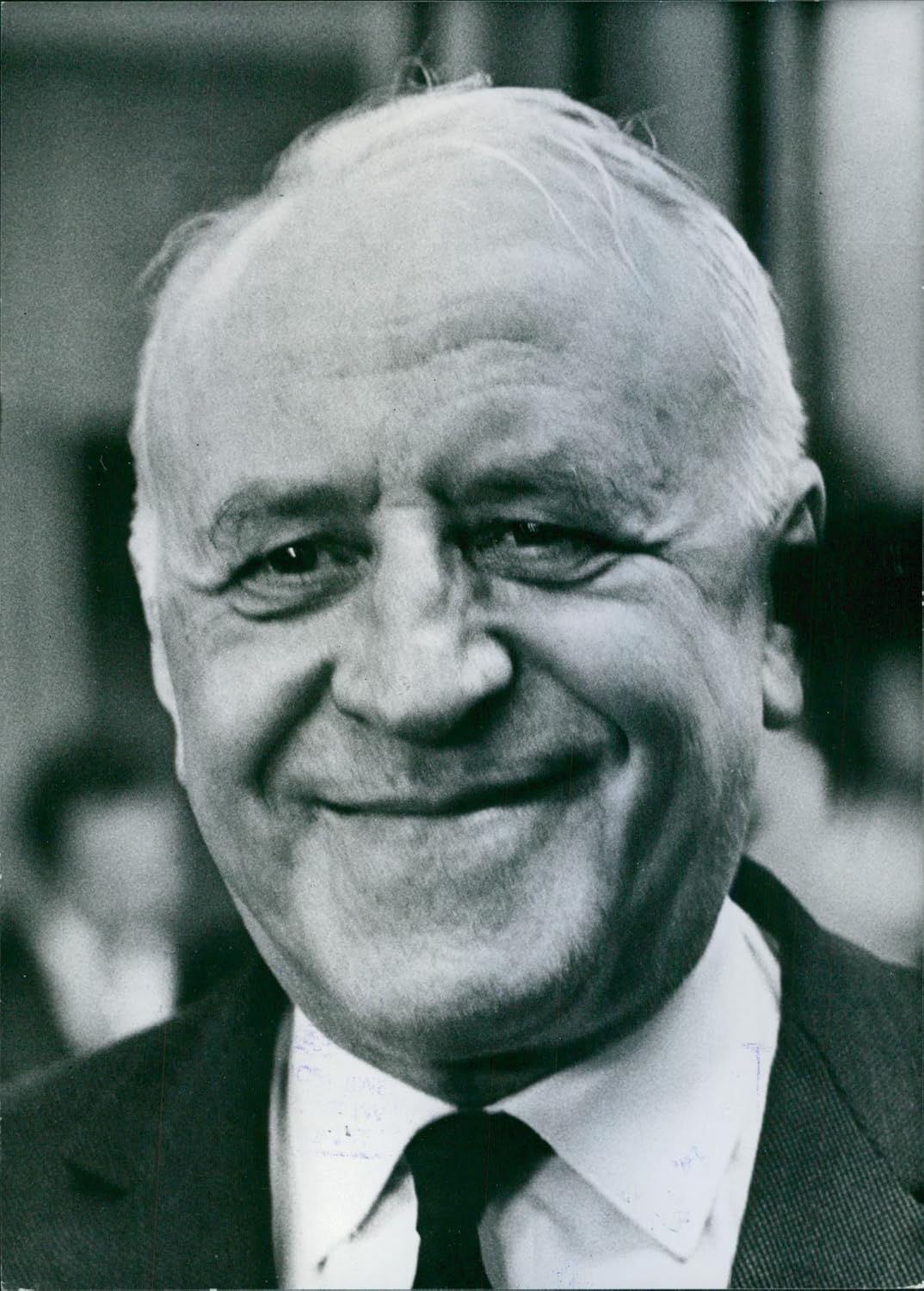
Resultado de imagem para pictures of Valerian Alexandrovich Zorin
Valerian Alexandrovich Zorin (Russian: Валериан Александрович Зорин; 1 January 1902 - 14 January 1986) was a Soviet diplomat best remembered for his famous confrontation with Adlai Stevenson on 25 October 1962, during the Cuban Missile Crisis.
Life and career

Manifestações

2007 Speech

UKRAINE ON FIRE

Discurso do Presidente da Rússia, Vladimir Putin, na manhã do dia 24 de Fevereiro de 2022

Discurso do Presidente da Rússia, Vladimir Putin, Tradução em português


Presidente da Rússia, Vladimir Putin: Cidadãos da Rússia, Amigos,

Considero ser necessário falar hoje, de novo, sobre os trágicos acontecimentos em Donbass e sobre os aspectos mais importantes de garantir a segurança da Rússia.

Começarei com o que disse no meu discurso de 21 de Fevereiro de 2022. Falei sobre as nossas maiores responsabilidades e preocupações e sobre as ameaças fundamentais que os irresponsáveis políticos ocidentais criaram à Rússia de forma continuada, com rudeza e sem cerimónias, de ano para ano. Refiro-me à expansão da NATO para Leste, que está a aproximar cada vez mais as suas infraestruturas militares da fronteira russa.

É um facto que, durante os últimos 30 anos, temos tentado pacientemente chegar a um acordo com os principais países NATO, relativamente aos princípios de uma segurança igual e indivisível, na Europa. Em resposta às nossas propostas, enfrentámos invariavelmente, ou engano cínico e mentiras, ou tentativas de pressão e de chantagem, enquanto a aliança do Atlântico Norte continuou a expandir-se, apesar dos nossos protestos e preocupações. A sua máquina militar está em movimento e, como disse, aproxima-se da nossa fronteira.

Porque é que isto está a acontecer? De onde veio esta forma insolente de falar que atinge o máximo do seu excepcionalismo, infalibilidade e permissividade? Qual é a explicação para esta atitude de desprezo e desdém pelos nossos interesses e exigências absolutamente legítimas?

Read more

ARRIVING IN CHINA

Ver a imagem de origem

APPEAL


APPEAL TO THE LEADERS OF THE NINE NUCLEAR WEAPONS' STATES

(China, France, India, Israel, North Korea, Pakistan, Russia, the United Kingdom and the United States)

中文 DEUTSCH ENGLISH FRANÇAIS ITALIAN PORTUGUESE RUSSIAN SPANISH ROMÂNA

manlio + maria

MOON OF SHANGHAI site

LR on CORONAVIRUS

LARRY ROMANOFF on CORONAVIRUS

Read more at Moon of Shanghai

World Intellectual Property Day (or Happy Birthday WIPO) - Spruson ...


Moon of Shanghai

L Romanoff

Larry Romanoff,

contributing author

to Cynthia McKinney's new COVID-19 anthology

'When China Sneezes'

When China Sneezes: From the Coronavirus Lockdown to the Global Politico-Economic Crisis

manlio

James Bacque

BYOBLU

irmãos de armas


Subtitled in PT, RO, SP

Click upon CC and choose your language.


manlio

VP


Before the Presidential Address to the Federal Assembly.


The President of Russia delivered
the Address to the Federal Assembly. The ceremony took
place at the Manezh Central Exhibition Hall.


January
15, 2020


vp

President of Russia Vladimir Putin:

Address to the Nation

Address to the Nation.

READ HERE


brics


Imagem

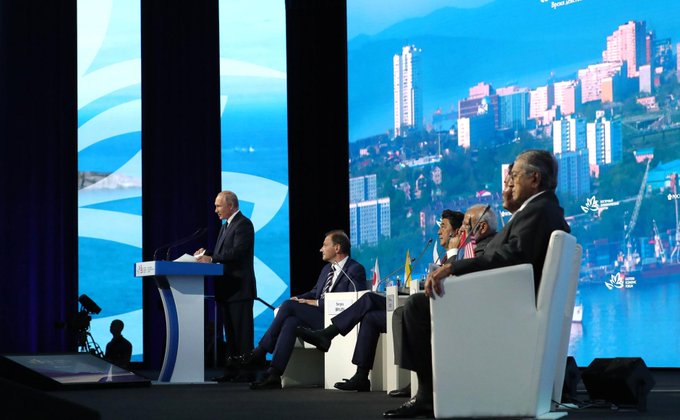
PT -- VLADIMIR PUTIN na Sessão plenária do Fórum Económico Oriental

Excertos da transcrição da sessão plenária do Fórum Económico Oriental

THE PUTIN INTERVIEWS


The Putin Interviews
by Oliver Stone (
FULL VIDEOS) EN/RU/SP/FR/IT/CH


http://tributetoapresident.blogspot.com/2018/07/the-putin-interviews-by-oliver-stone.html


TRIBUTE TO A PRESIDENT


NA PRMEIRA PESSOA

Um auto retrato surpreendentemente sincero do Presidente da Rússia, Vladimir Putin

CONTEÚDO

Prefácio

Personagens Principais em 'Na Primeira Pessoa'

Parte Um: O Filho

Parte Dois: O Estudante

Parte Três: O Estudante Universitário

Parte Quatro: O Jovem especialista

Parte Cinco: O Espia

Parte Seis: O Democrata

Parte Sete: O Burocrata

Parte Oito: O Homem de Família

Parte Nove: O Político

Apêndice: A Rússia na Viragem do Milénio


contaminação nos Açores


Subtitled in EN/PT

Click upon the small wheel at the right side of the video and choose your language.


convegno firenze 2019